
Summary of EPISHINE RECEIVES 80 MILLION SEK (EUR 8 MILLION) – AXSOL BECOMES LARGEST INDIVIDUAL SHAREHOLDER
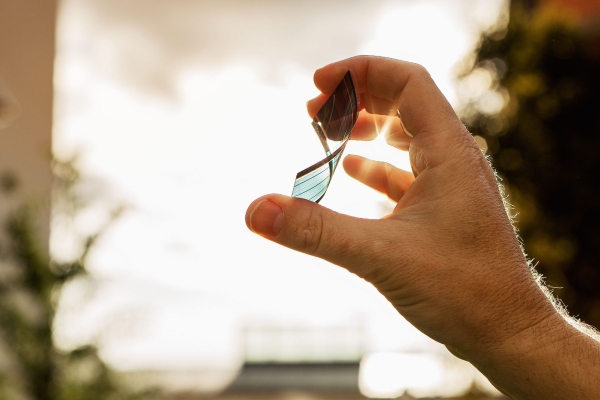
Epishine has launched the world's first printed organic solar cells optimized for indoor use, targeting the growing IoT market. Backed by 80 million SEK in funding led by AxSol, the company offers a wireless renewable energy source using low-light efficiency technology. These thin, flexible cells power devices like sensors and smart locks without batteries.
Parts used in Epishine Indoor Solar Cells:
- Printed organic solar cells
- Thin flexible substrate
- Low-light efficiency harvesting technology
- Wireless IoT power supply unit
- Electronic lock module
- Wireless sensor component
- Smoke alarm integration
- In-store product signage interface
Epishine’s organic solar cells for indoor use meet the need for a wireless renewable energy source for the rapidly growing IoT-market.
Epishine has developed a pioneering, patented process for printing organic solar cells with industry-leading low-light efficiency. They have just launched their first product on the world market: a small-scale solar cell that harvests indoor light to supply power to IoT products. They have received 80 million SEK (EUR 8 million) to position themselves as the market leader in printed solar cells.
AxSol, the solar energy group of Swedish family-owned conglomerate Axel Johnson, has over the past two years made four investments in Nordic solar energy companies and has led the current financing round in Epishine. The issue amounts to a total of 80 million SEK (EUR 8 million), with AxSol joining previous investors, such as Almi Invest GreenTech, Karl-Johan Persson’s investment company Philian, Beijers Ventures and Vigo Carlund. With this financing round, AxSol becomes Epishine’s largest individual shareholder with an ownership share of 20 percent.
Epishine was founded in 2016 on the basis of over 30 years of research in organic electronics and photovoltaics. The company, located in Linköping, Sweden, has with great success in the past year developed its thin, flexible organic solar cells optimized for harvesting indoor light.
The increasing demand for optimized energy solutions for wirelessly connected IoT devices creates strong growth opportunities for Epishine’s technology, with application capabilities across a wide range of low-energy indoor product categories. In addition to the initial products’ focus on prop-tech, to in-store product and price signage, the solar cell’s applications include wireless sensors, electronic locks and smoke alarms within the real estate sector.
Read more: EPISHINE RECEIVES 80 MILLION SEK (EUR 8 MILLION) – AXSOL BECOMES LARGEST INDIVIDUAL SHAREHOLDER
-
What is the primary function of Epishine's new product?
The product harvests indoor light to supply power to IoT products wirelessly. -
How much funding did Epishine receive to launch their product?
Epishine received 80 million SEK (EUR 8 million) to position themselves as the market leader. -
Which company became the largest individual shareholder after the financing round?
AxSol became Epishine's largest individual shareholder with an ownership share of 20 percent. -
What makes Epishine's solar cells unique compared to others?
They feature industry-leading low-light efficiency designed specifically for harvesting indoor light. -
Can these solar cells be used in real estate applications?
Yes, they are suitable for electronic locks, smoke alarms, and wireless sensors within the real estate sector. -
Where is Epishine located?
The company is located in Linköping, Sweden. -
On what research basis was Epishine founded?
Epishine was founded on the basis of over 30 years of research in organic electronics and photovoltaics. -
Does the technology require external wiring for operation?
No, the technology provides a wireless renewable energy source for connected IoT devices.
