
Summary of New electronic components will change lives in 2014
This article highlights recent breakthroughs in graphene technology that promise to revolutionize electronics. Key developments include graphene-coated vanadium oxide ribbons for faster-charging lithium-ion batteries and a new graphene-silicon additive that quadruples battery lifespan. These innovations aim to make portable devices smaller and lighter while significantly advancing electric vehicle capabilities through improved energy storage efficiency and durability.
Parts used in the Graphene Battery Project:
- Graphene
- Vanadium oxide ribbons
- Lithium-ion batteries
- Graphene nanoplatelets
- Silicon additive
- Cathodes
- Half-cells
These recent breakthroughs in electrical component technology are likely to have a significant impact on the electronics industry – and on people’s everyday lives.
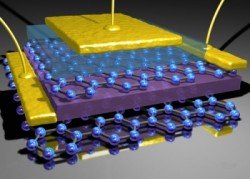
Graphene – Latest News for Revolutionary Material
Your’e probably aware of the superstar conductor of the future, Graphene: “A wonder material that is the world’s thinnest, strongest and most conductive material with the potential to revolutionise diverse applications; from smartphones and ultrafast broadband to drug delivery and computer chips”.
… here are some industry breakthroughs that may not yet be on your radar:
Lithium-ion batteries could be enhanced by a new electrode that uses graphene-coated vanadium oxide ribbons. The ribbons are thousands of times thinner than a sheet of paper but have the potential to accelerate development of major applications such as electric cars. Cathodes built into half-cells for testing at Rice University, Texas, fully charged and discharged in 20 seconds and retained more than 90 percent of their initial capacity after more than 1,000 cycles.
Grapheme Silicon Additive Extends Battery Life
…and in similar news,a new graphene-silicon additive for lithium-ion batteries has just been released for commercial sale. The graphene nanoplatelets increase lithium-ion battery life by four times the current standard and will substantially extend battery lifespan. The breakthrough will likely lead to portable electronic devices becoming lighter and smaller, and should prove useful in the continuing developments in the electric vehicle industry.
For more detail: New electronic components will change lives in 2014
- How can graphene enhance lithium-ion batteries?
New electrodes using graphene-coated vanadium oxide ribbons allow half-cells to fully charge and discharge in 20 seconds while retaining over 90 percent capacity after 1,000 cycles. - What is the impact of the graphene-silicon additive on battery life?
The additive increases lithium-ion battery life by four times the current standard. - Can these new components make electronic devices smaller?
Yes, the breakthroughs will likely lead to portable electronic devices becoming lighter and smaller. - How thin are the graphene-coated vanadium oxide ribbons?
The ribbons are thousands of times thinner than a sheet of paper. - Where were the cathode tests conducted?
The testing was performed at Rice University in Texas. - Does this technology benefit the electric vehicle industry?
Yes, the materials have potential to accelerate development in major applications such as electric cars. - What properties make graphene a wonder material?
It is described as the world's thinnest, strongest, and most conductive material. - Is the graphene-silicon additive available for commercial sale?
Yes, a new graphene-silicon additive for lithium-ion batteries has been released for commercial sale.
