
Summary of How Security Cameras Work
This article guides readers on selecting security cameras by considering monitoring scope, wired versus wireless setups, camera size (visible vs. hidden), and legal restrictions regarding audio/video recording consent in residential settings.
Parts used in the Security Camera Project:
- Wired cameras
- Wireless cameras
- Alarm clock with hidden camera
- Intercom system with pinhole camera
- Video surveillance devices
Types of Security Cameras
Before you actually invest in a security camera system, you need to think about what you’ll be watching and what you need in order to watch it. The number of cameras you want is probably the first question that should come to mind. Are you focusing on one room in the house, or do you need to keep an eye on several different parts of the house? Will you need to monitor outdoor activity as well as indoor? If you’re simply watching over one room, you’ll probably need just one camera, but including more areas requires a bigger camera system.
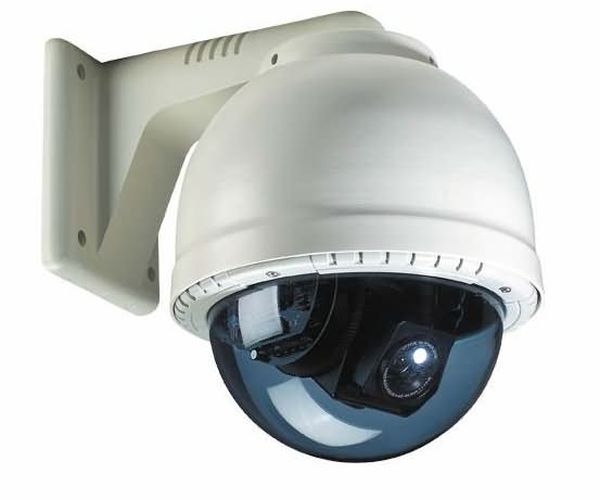
Security cameras are either wired or wireless, and which setup you’ll need depends on where you’ll want to put the cameras and how visible you want them to be. Wired cameras might be trickier to install, and stray wires can hamper your attempts to be discreet. They do, however, have a typically higher-quality picture than wireless cameras, since their signals aren’t travelling through the air.
Wireless cameras have more flexibility, but broadcasts from other devices such as wireless Internet, cordless phones and baby monitors — can interrupt a wireless camera’s signal. Also, keep in mind that if you decide on a wireless system, there’s a possibility your video feeds could be intercepted by others. Having someone else monitor your activity around the house or finding out whether or not you’re at home defeats the purpose of having security cameras. If you’re worried about your personal security, you can check with the manufacturer to see whether or not they encrypt their wireless system.
Larger cameras will be visible, and people typically install them outside or in an area where people know they’re under video surveillance. You can also find smaller, hidden cameras online in many different forms — a tiny camera hidden inside of an alarm clock, for instance, or a small pinhole camera that fits inside of an intercom system.
But before you install any type of security system into your home — especially the small, “hidden” type — you should note the legal restrictions on video surveillance. In most states, anyone recording either audio or video in a specified area needs to alert anyone in range of the surveillance device that he or she is being recorded. For instance, if you record someone’s telephone conversation without them knowing it, that’s illegal. It’s also true that if you install a tiny camera into a room in your house without letting anyone know it’s there, you’re technically breaking the law. If anyone found the camera and wasn’t previously aware of its existence, you could potentially face charges.
For more detail: How Security Cameras Work
- How many cameras do I need?
The number depends on whether you are watching one room or several different parts of the house and if outdoor activity needs monitoring. - Can I choose between wired and wireless cameras?
Yes, security cameras are either wired or wireless, depending on where you want to put them and how visible they should be. - Do wired cameras offer better picture quality?
Yes, wired cameras typically have higher-quality pictures because their signals do not travel through the air. - What can interrupt a wireless camera signal?
Broadcasts from other devices such as wireless Internet, cordless phones, and baby monitors can interrupt a wireless camera's signal. - Is there a risk of video feeds being intercepted?
Yes, there is a possibility that video feeds from a wireless system could be intercepted by others. - Can I use small hidden cameras like those in alarm clocks?
Yes, smaller hidden cameras are available online in forms like tiny cameras inside an alarm clock or pinhole cameras in intercom systems. - Are there legal restrictions on using hidden cameras?
Yes, in most states, anyone recording audio or video must alert anyone in range that they are being recorded. - Is it illegal to record a telephone conversation without permission?
Yes, recording someone's telephone conversation without them knowing it is illegal.
