
Summary of How Thermochromic Ink Works
Thermochromic inks, popularized by 1970s mood rings, now serve diverse applications beyond novelty items like syrup bottles and beer cans. These dynamic inks change color with temperature fluctuations using two main technologies: thermochromatic liquid crystals (TLCs) and leuco dyes. TLCs are microencapsulated to protect their sensitive properties, allowing for precise temperature indication in products like room thermometers, though they require specialized equipment and resist UV light and chemicals poorly.
Parts used in Thermochromic Ink Application:
- Mood rings
- Microwaveable maple syrup bottle
- Beer cans
- Thermometers
- Clothing
- Paint
- Drink containers
- Toys
- Battery indicators
- Plastic products
- Liquid crystals
- Leuco dyes
- Microcapsules
Thermochromic inks first hit the mainstream in the 1970s, appearing in one of that era’s lasting icons — the mood ring, which supposedly used the wearer’s body heat as a sign of his or her emotional state.
More recently, a microwaveable maple syrup bottle featured a thermochromic label that indicated when its buttery, delicious goodness was warm enough for your waffles. And some beer cans sport graphics that appear when their hoppy contents are cool enough to provide optimum refreshment.
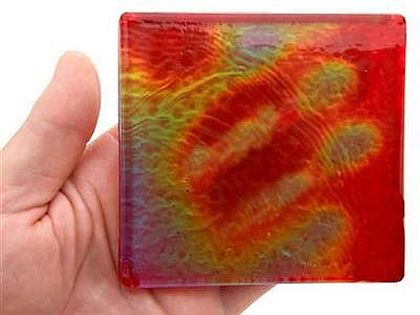
Since mood rings, thermochromic inks have evolved at a steady pace. They’re still used in all sorts of silly novelty items, but they have many useful and creative applications, too: thermometers, clothing, paint, drink containers, toys, battery indicators, plastic products of all kinds and much more.
There are numerous companies integrating these dynamic, eye-catching inks into their products. Doing so can help them grab consumers’ attention and differentiate a brand from those that use old-fashioned inks with just one static hue. Paired with a clever bit of creativity, such products provide real visual wow.
Keep reading and you’ll see how these crazy inks pull their chameleon tricks. Be ready — your eyes in are in for a surprise.
The Heat is On, The Color is Off
Thermochromic inks conjure their magic in different ways. Currently, there are two major categories of these inks: thermochromatic liquid crystals (TLCs) and leuco dyes.
Liquid crystals are exactly what their name indicates — a substance that has many properties of a liquid crossed with structural elements inherent to crystals. Peer through a microscope at a liquid crystal and you’ll see a fluid that exhibits evident textures.
Liquid crystals are dynamic. Their properties change depending on environmental conditions; TLCs exhibit different colors in response to temperature changes. At lower temperatures, these liquid crystals are mostly in a solid, crystalline form. In this low temperature state, TLCs may not reflect much light at all, thus, appearing black.
Apply warmth and increase it bit by bit, though, and you’ll see the TLCs shift from black to just about every color of the rainbow. This happens because as temperature rises, spacing between the crystals changes, and as a result, they reflect light differently.
You can’t just plop TLCs onto a product to make it change colors. The liquid crystals must first be microencapsulated into billions of tiny capsules that are just a few microns in size. This encapsulation process offers some protection for the TLCs and maintains their thermochromic properties.
Then, these capsules are blended with other materials and used in products, such as room thermometers. Hang the thermometer in a bedroom and you’ll see a rapid change in color that indicates an accurate temperature.
Temperature accuracy is a strong suit for TLCs. Their color consistency means they can indicate heat levels to within a few degrees. However, TLCs are a touchy technology. Their performance can suffer with repeated exposure to UV light, water and chemicals. What’s more, they require specialized equipment for proper integration into various products, and that equipment (as well as the TLCs themselves) often adds significant expense to a manufacturer’s production costs.
For more Detail: How Thermochromic Ink Works
-
When did thermochromic inks first hit the mainstream?
They first appeared in the 1970s, notably in mood rings. -
What are the two major categories of thermochromic inks?
The two categories are thermochromatic liquid crystals and leuco dyes. -
How do liquid crystals react to warmth?
As temperature rises, spacing between crystals changes, causing them to reflect light differently and shift colors from black to the rainbow. -
Why must liquid crystals be microencapsulated?
Encapsulation protects the crystals and maintains their thermochromic properties before blending them into products. -
What is a key advantage of using liquid crystals?
They offer high temperature accuracy, indicating heat levels to within a few degrees. -
What environmental factors can damage liquid crystal performance?
Repeated exposure to UV light, water, and chemicals can cause their performance to suffer. -
Does integrating liquid crystals increase production costs?
Yes, the required specialized equipment and the crystals themselves often add significant expense. -
Can you simply place liquid crystals on a product?
No, they must be microencapsulated into tiny capsules before being blended with other materials.
