
Summary of HONEYWELL´S SMALL, HIGH PERFORMANCE PRESSURE SENSOR
Honeywell introduces the MPR, a 5x5 mm piezoresistive silicon pressure sensor designed to bridge the gap between low-cost and high-performance options. Featuring digital output, built-in amplification, and compensation, this durable, liquid-tolerant device requires no external components. It targets industrial, medical, and IoT applications, enabling smaller wearables, home monitoring systems, and compact appliances while meeting moisture sensitivity level 1 standards.
Parts used in the Honeywell MPR Project:
- Micro pressure board mounts pressure sensor
- Piezoresistive silicon pressure sensor
- Digital output module
- Built-in amplifier
- Compensation circuitry
- Strong metal ports
- PCB space optimization design
Honeywell is a technology company working towards connecting the world. They are currently working on connected homes, buildings, plants (such as refineries), warehouse, workers, aircraft, vehicles, and health care while addressing challenges such as energy, safety, security, productivity, and global urbanization. To enhance product performance, Honeywell has designed a micro pressure board mounts pressure sensor measuring only 5 mm x 5 mm.
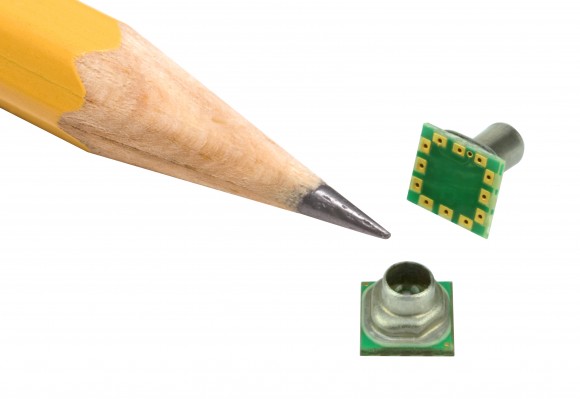
Nowadays, the market is filled with low-performance cheap sensors or high-performance expensive sensors which do not meet the need for fully functional cheap sensors for industrial and medical applications. Honeywell’s MPR is a small piezoresistive silicon pressure sensor with digital output, and it is the smallest ported pressure sensor in the market. This device was designed to be easily installed and to work without the need for external amplification. MPR micro pressure sensor has amplification, compensation, and low power consumption. Additionally, the device has high accuracy, it is liquid tolerant, meets moisture sensitivity level 1 requirements, and it is durable (it has strong metal ports).
This device could not only help improve already existing technologies, but also it would allow for this type of sensors to be introduced in new objects such as wearables, or common objects for IoT applications. In the medical industry, the sensor can help reduce the size of bulky devices and may even allow the patients to own their own monitoring device at home. MicroPreassure was specifically developed for high volume applications such as appliances, non-invasive blood pressure machines etc. For circuit designers and engineers, this sensor gives the opportunity to reduce the size of all the devices by using less space in boards and PCBs.
Read More: HONEYWELL´S SMALL, HIGH-PERFORMANCE PRESSURE SENSOR
- What is the size of the Honeywell MPR sensor?
The sensor measures only 5 mm x 5 mm. - Does the MPR require external amplification?
No, the device works without the need for external amplification. - Can this sensor be used in medical applications?
Yes, it can reduce the size of bulky devices and enable home monitoring. - What makes the MPR suitable for IoT applications?
It allows sensors to be introduced into new objects like wearables and common objects due to its small size. - Is the sensor tolerant to liquids?
Yes, the device is liquid tolerant. - What are the moisture sensitivity requirements met by the device?
The device meets moisture sensitivity level 1 requirements. - How does the sensor help circuit designers?
It gives engineers the opportunity to reduce device size by using less space in boards and PCBs. - What type of output does the MPR provide?
The sensor provides a digital output.
