
Summary of SAMSUNG DEVELOPS INDUSTRY’S FIRST 3RD-GENERATION 10NM-CLASS DRAM
Samsung Electronics has developed the industry's first 3rd-generation 10nm-class (1z-nm) 8Gb DDR4 DRAM without using EUV processing. This breakthrough offers over 20% higher manufacturing productivity than the previous 1y-nm version, targeting next-generation enterprise servers and high-end PCs launching in 2020. The technology accelerates the transition to future interfaces like DDR5 and LPDDR5 while strengthening Samsung's leadership in premium memory markets for servers, graphics, and mobile devices.
Parts used in the 1z-nm 8Gb DDR4 Project:
- 3rd-generation 10nm-class (1z-nm) process node
- 8-gigabit (Gb) Double Data Rate 4 (DDR4) DRAM
- Enterprise servers
- High-end PCs
- Next-generation DRAM interfaces (DDR5, LPDDR5, GDDR6)
- Graphics applications
- Mobile devices
New 8Gb DDR4 Based On Most Advanced 1z-Nm Process Enables DRAM Solutions With Ultra-High Performance And Power Efficiency.
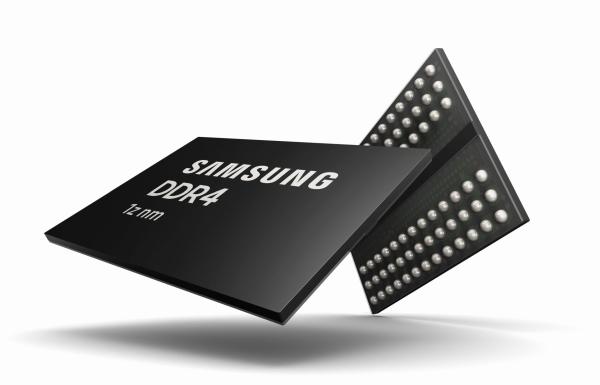
Samsung Electronics, the world leader in advanced memory technology, today announced that it has developed a 3rd-generation 10-nanometer-class (1z-nm) eight-gigabit (Gb) Double Data Rate 4 (DDR4) DRAM for the first time in the industry. In just 16 months since it began mass producing the 2nd-generation 10nm-class (1y-nm) 8Gb DDR4, development of 1z-nm 8Gb DDR4 without the use of Extreme Ultra-Violet (EUV) processing has pushed the limits of DRAM scaling even further.
As 1z-nm becomes the industry’s smallest memory process node, Samsung is now primed to respond to increasing market demands with its new DDR4 DRAM that has more than 20-percent higher manufacturing productivity compared to the previous 1y-nm version.
Mass production of the 1z-nm 8Gb DDR4 will begin within the second half of this year to accommodate next-generation enterprise servers and high-end PCs expected to be launched in 2020.
As 1z-nm becomes the industry’s smallest memory process node, Samsung is now primed to respond to increasing market demands with its new DDR4 DRAM that has more than 20-percent higher manufacturing productivity compared to the previous 1y-nm version.
Mass production of the 1z-nm 8Gb DDR4 will begin within the second half of this year to accommodate next-generation enterprise servers and high-end PCs expected to be launched in 2020.
Samsung’s development of the 1z-nm DRAM paves the way for an accelerated global IT transition to next-generation DRAM interfaces such as DDR5, LPDDR5 and GDDR6 that will power a wave of future digital innovation. Subsequent 1z-nm products with higher capacities and performance will allow Samsung to strengthen its business competitiveness and solidify its leadership in the premium DRAM market for applications that include servers, graphics and mobile devices.
Read more: SAMSUNG DEVELOPS INDUSTRY’S FIRST 3RD-GENERATION 10NM-CLASS DRAM
-
What is the new DRAM technology announced by Samsung?
Samsung announced the industry's first 3rd-generation 10nm-class (1z-nm) eight-gigabit (Gb) Double Data Rate 4 (DDR4) DRAM. -
Does this new process use Extreme Ultra-Violet processing?
No, the development of the 1z-nm 8Gb DDR4 was achieved without the use of Extreme Ultra-Violet (EUV) processing. -
How much more productive is the new 1z-nm version compared to the previous one?
The new DDR4 DRAM has more than 20-percent higher manufacturing productivity compared to the previous 1y-nm version. -
When will mass production of the 1z-nm 8Gb DDR4 begin?
Mass production will begin within the second half of this year to accommodate products expected to be launched in 2020. -
What market demands is this new DRAM designed to address?
It is designed to respond to increasing market demands for next-generation enterprise servers and high-end PCs. -
Which future digital innovations will this technology help power?
This development paves the way for an accelerated global IT transition to next-generation DRAM interfaces such as DDR5, LPDDR5, and GDDR6. -
What application areas will benefit from subsequent 1z-nm products?
Subsequent products will strengthen competitiveness for applications including servers, graphics, and mobile devices.
