
Summary of TEXAS INSTRUMENTS LM74500-Q1 REVERSE POLARITY PROTECTION CONTROLLER
The Texas Instruments LM74500-Q1 is an AEC-Q100 qualified controller designed for low-loss reverse polarity protection in automotive systems. It operates with an external N-channel MOSFET to handle input voltages from 3.2V to 65V, supporting 12V, 24V, and 48V battery systems. The device features a charge pump gate drive, withstands negative voltages down to –65V, and includes an enable pin for low-power sleep modes with 1µA shutdown current.
Parts used in the Reverse Polarity Protection Project:
- Texas Instruments LM74500-Q1 Controller
- External N-Channel MOSFET
- TVS Diode (for ISO7637 pulse 1 compliance)
- Automotive Battery System (12V, 24V, or 48V)
- Automotive Body Control Module Motor Loads
Texas Instruments LM74500-Q1 Reverse Polarity Protection Controller is an automotive AEC Q100 qualified controller which operates in conjunction with an external N-channel MOSFET as a low loss reverse polarity protection solution. The wide supply input range of 3.2V to 65V allows control of many popular DC bus voltages such as 12V, 24V, and 48V automotive battery systems. The 3.2V input voltage support is particularly well suited for severe cold crank requirements in automotive systems. The device can withstand and protect the loads from negative supply voltages down to –65V. The LM74500-Q1 does not have reverse current blocking and is suitable for input reverse polarity protection of loads that can potentially deliver energy back to the input supply, such as automotive body control module motor loads.
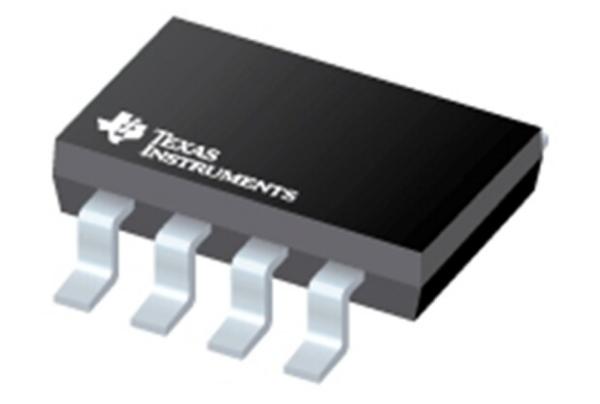
The Texas Instruments LM74500-Q1 controller provides a charge pump gate drive for an external N-channel MOSFET. The high voltage rating of LM74500-Q1 helps to simplify the system designs for automotive ISO7637 protection. With the enable pin low, the controller is off and draws approximately 1µA of current, thus offering low system current when put into sleep mode.
Features
- AEC-Q100 qualified with the following results
- Device temperature grade 1 (–40°C to +125°C ambient operating temperature range)
- Device HBM ESD classification level 2
- Device CDM ESD classification level C4B
- 3.2V to 65V input range (3.9V startup)
- –65V input reverse voltage rating
- Charge pump for external N-Channel MOSFET
- Enable pin feature
- 1µA shutdown current (EN=Low)
- 80µA typical operating quiescent current (EN=High)
- Meets automotive ISO7637 pulse 1 transient requirements with additional TVS Diode
Read more: TEXAS INSTRUMENTS LM74500-Q1 REVERSE POLARITY PROTECTION CONTROLLER
- What voltage range does the LM74500-Q1 support?
The device supports a wide supply input range of 3.2V to 65V. - Can this controller protect against negative supply voltages?
Yes, it can withstand and protect loads from negative supply voltages down to –65V. - How much current does the device draw when in sleep mode?
When the enable pin is low, the controller draws approximately 1µA of current. - Does the LM74500-Q1 block reverse current?
No, the device does not have reverse current blocking capabilities. - Is the LM74500-Q1 suitable for cold crank requirements?
Yes, the 3.2V input voltage support is well suited for severe cold crank requirements. - What type of MOSFET is required for this controller?
The controller operates in conjunction with an external N-channel MOSFET. - Does the device meet automotive transient requirements?
It meets automotive ISO7637 pulse 1 transient requirements when used with an additional TVS Diode. - What is the typical operating quiescent current when enabled?
The typical operating quiescent current is 80µA when the enable pin is high.
