
Summary of The femtocell technology
Femtocells are low-power indoor base stations that connect mobile devices to a provider's network via broadband internet (DSL or cable). They operate on licensed frequencies, forwarding data through the internet rather than directly using the cellular tower. This setup improves indoor signal stability, reduces power consumption for both the device and the network, and extends mobile phone battery life by utilizing lower transmission levels while maintaining 3G-level capacity.
Parts used in Femtocell System:
- Low-power wireless access point
- Broadband connection (DSL or cable)
- Indoor base station transceiver
- Mobile cellular device
- Licensed frequency bands
- Provider's mobile network infrastructure
. Introduction
Femtocells are basically low-power wireless access points that operate inside licensed frequency bands for connecting standard mobile devices with a provider’s network, using a broadband connection such as the DSL or a cable connection (basically using the best Internet connection available at that point).
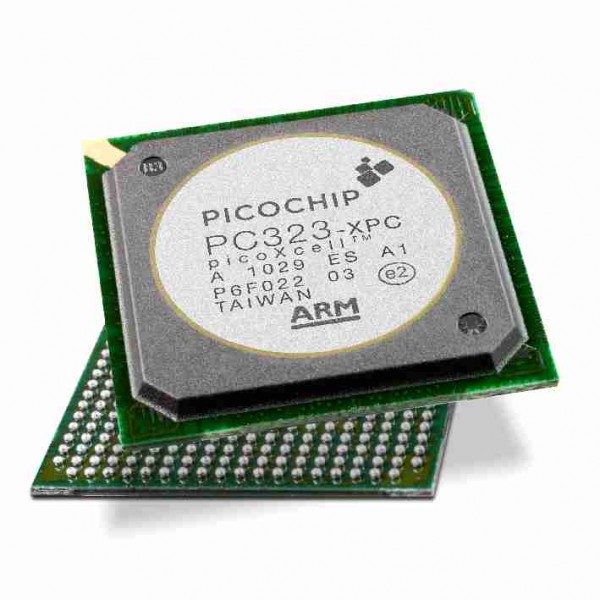
A femtocell is therefore an indoor base station that allows you to make phone calls with your mobile cellular using the Internet service avaialble locally; it is able to do that because femtocell is a transceiver that operates on the same frequencies of mobile phones, all within a home or office. When you connect with a mobile device to a femtocell, therefore, you do not use directly the provider’s mobile network, but you use the base station. The femtocell will then take care of forwarding the relevant information, via Internet, to the provider’s mobile network, establishing a communication to all intents and purposes identical to that which would connecting directly to the wireless mobile network. The main difference, however, is that the base station, being provided with a broadband Internet connection, can provide a very stable, reliable, of better performance, indoor signal, resulting also in a lower power consumption. It is important to remember this concept, before enthusiastically embrace this promising technology: a femtocell is a valid and reliable device only if it is so the broadband connection it relies on. In addition to solving the problems of poor receiving inside buildings (indoor mobile communications are often the most problematic ones), femtocell technology has the advantage of offering a capacity equivalent to that obtained with a third generation (3G) network, but using lower transmission levels, thus increasing the life of mobile phone batteries.
For more detail: The femtocell technology
-
What is a femtocell?
A femtocell is a low-power wireless access point acting as an indoor base station that connects mobile devices to a provider's network using a local broadband internet connection. -
How does a femtocell connect to the network?
It connects by operating on the same frequencies as mobile phones and forwarding information via a broadband internet link like DSL or cable to the provider's network. -
Does a femtocell use the direct mobile network?
No, when connecting to a femtocell, the mobile device uses the indoor base station which then forwards the data via the internet instead of connecting directly to the wireless mobile network. -
What are the main benefits of using a femtocell?
The main benefits include providing a stable indoor signal, offering capacity equivalent to a third generation network, reducing power consumption, and increasing mobile phone battery life. -
Is a femtocell reliable if the internet is poor?
No, a femtocell is only a valid and reliable device if the broadband connection it relies on is also valid and reliable. -
Can femtocells solve poor indoor reception?
Yes, femtocell technology solves problems of poor receiving inside buildings where indoor mobile communications are often problematic.
