
Summary of DIY PCB with flat VIA’s
This article addresses the challenge of creating flat vias for small surface-mount chips in home-made double-layer PCBs to ensure proper soldering. It outlines a process involving design in EAGLE software, board cutting with specific offsets, and thorough surface preparation using sandpaper and detergent before applying resist.
Parts used in DIY PCB with Flat VIA's:
- Double-layer PCB board
- Offset cutting tool
- Sandpaper
- Powder detergent (e.g., Gala)
- Sponge
- EAGLE software
- Illumination Resist
- Thin wire
Catching up the development of printed circuit boards at home i often faced with the problem of “the bulbous” vias. Usually homemade double-layer boards soldering from both sides with the thin wire, the result usually satisfied but if you need to make VIA under the chip TQFP48, SOIC16 and that’s is a real problem, if contact is very bulbous it will be simply impossible cleanly solder chip as its legs will hang in the air.
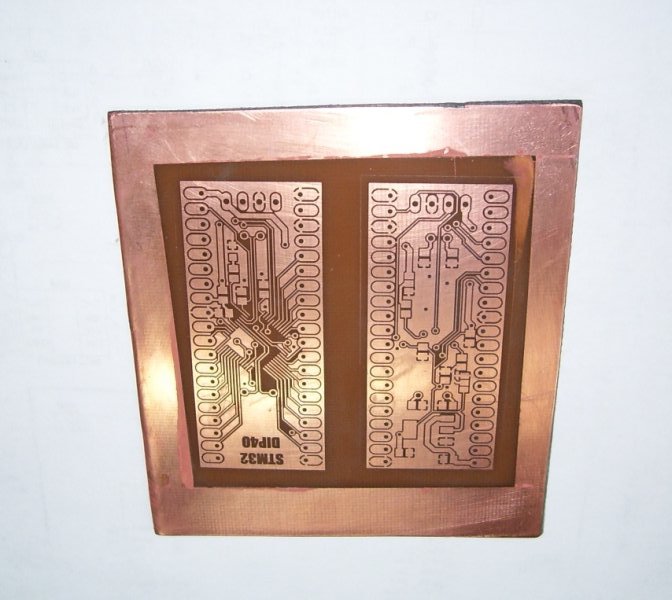
I suggest you create your own version of flat vias.
Creating quality board begins with the development of high-quality template for illumination Resist. I created the PCB in program EAGLE it is very comfortable and in internet is enough libraries elements and examples of use.
1.I cut out board with a offset of 15 mm on each side bigger than the resulting board.
2.Before application of Resist carefully grind with a sandpaper (especially the edges of burrs) wash with powder detergent such as “Gala” and sponge
For more detail: DIY PCB with flat VIA’s
-
Why are bulbous vias problematic for chips like TQFP48?
Bulbous vias cause chip legs to hang in the air, making it impossible to solder the chip cleanly. -
How do you create a template for illumination resist?
You create the PCB in EAGLE software which provides comfortable usage and enough libraries. -
What size offset should be used when cutting the board?
Cut out the board with an offset of 15 mm on each side bigger than the resulting board. -
How should the board be prepared before applying resist?
Grind the board carefully with sandpaper especially the edges of burrs then wash it. -
What cleaning agent is recommended for the board surface?
Wash the board with powder detergent such as Gala using a sponge. -
What type of wires are typically used for homemade double-layer boards?
Homemade double-layer boards are usually soldered from both sides with thin wire.
