
Summary of MAX16126/MAX16127 – PROTECT POWER-SUPPLY INPUTS FROM AUTOMOTIVE VOLTAGE TRANSIENTS
The MAX16126/MAX16127 are automotive protection circuits that safeguard power supplies from overvoltage, reverse voltage, and load dump transients. They utilize a built-in charge pump to control external back-to-back n-channel MOSFETs, isolating downstream loads during faults. These devices offer adjustable thresholds via resistors and feature flexible fault management modes (limiter or switch) with an active-low flag output, operating reliably from 3V up to 90V in harsh environments.
Parts used in the MAX16126/MAX16127 Protection Circuit:
- MAX16126/MAX16127 IC
- External back-to-back n-channel MOSFETs
- External resistors for threshold adjustment
- Active-low FLAG output pin
MAX16126/MAX16127 – protect power-supply inputs from automotive voltage transients, including load dump. The MAX16126/MAX16127 load-dump/reverse-voltage protection circuits protect power supplies from damaging input voltage conditions, including overvoltage, reverse-voltage, and high-voltage transient pulses. Using a built-in charge pump, the devices control two external back-to-back n-channel MOSFETs that turn off and isolate downstream power supplies during damaging input conditions, such as an automotive load-dump pulse or a reverse-battery condition. Operation is guaranteed down to 3V to ensure proper operation during automotive cold-crank conditions. These devices feature a flag output (active-low FLAG) that asserts during fault conditions.
For reverse-voltage protection, external back-to-back MOSFETs outperform the traditional reverse-battery diode, minimizing the voltage drop and power dissipation during normal operation.
The MAX16126/MAX16127 use external resistors to adjust the overvoltage and undervoltage comparator thresholds for maximum flexibility.
The MAX16127 provides limiter-mode fault management for overvoltage and thermal shutdown conditions; whereas the MAX16126 provides switch-mode fault management for overvoltage and thermal shutdown conditions. In the limiter mode, the output voltage is limited and active-low FLAG is asserted low during a fault. In the switch mode, the external MOSFETs are switched off and active-low FLAG is asserted low after a fault. The switch mode is available in four options: latch mode, 1 autoretry mode, 3 autoretry mode, and always autoretry mode.
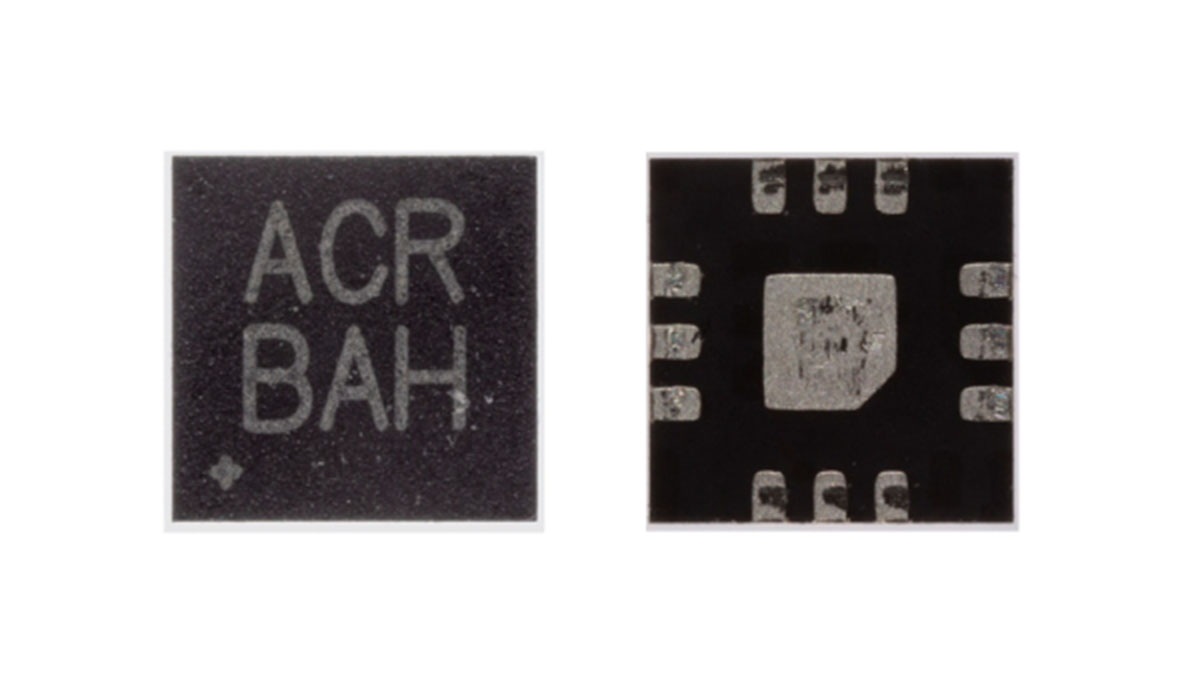
The MAX16126/MAX16127 are available in 12-pin TQFN packages. These devices operate over the automotive temperature range (-40°C to +125°C).
Key Features
- Increases Protection of Sensitive Electronic Components in Harsh Environments
- -36V to +90V Wide Input-Voltage Protection Range
- Fast Gate Shutoff During Fault Conditions with Complete Load Isolation
- Thermal-Shutdown Protection
- Active-Low FLAG Output Identifies Fault Condition
- 350µA (max) Supply Current and 100µA (max) Shutdown Current at 30V Input
Read more: MAX16126/MAX16127 – PROTECT POWER-SUPPLY INPUTS FROM AUTOMOTIVE VOLTAGE TRANSIENTS
- How do these devices protect against reverse voltage?
External back-to-back MOSFETs outperform traditional diodes by minimizing voltage drop and power dissipation. - What is the function of the external resistors?
They adjust the overvoltage and undervoltage comparator thresholds for maximum flexibility. - Does the MAX16127 use limiter mode or switch mode?
The MAX16127 provides limiter-mode fault management where output voltage is limited during a fault. - Can the MAX16126 operate during cold-crank conditions?
Yes, operation is guaranteed down to 3V to ensure proper function during automotive cold-crank events. - What happens in the switch mode when a fault occurs?
The external MOSFETs switch off to isolate the load, and the active-low FLAG asserts low. - Are there different retry options available for the MAX16126?
Yes, the switch mode offers four options: latch mode, 1 autoretry, 3 autoretry, and always autoretry. - What package type are these devices available in?
The devices are available in 12-pin TQFN packages. - What is the input voltage range for this protection circuit?
The circuit supports a wide input-voltage protection range from -36V to +90V.
