Capacitor

Digital Clock Using Microcontroller AT89S52 Without RTC Circuit

Digital Clock Using Microcontroller (AT89S52 Without RTC Circuit)

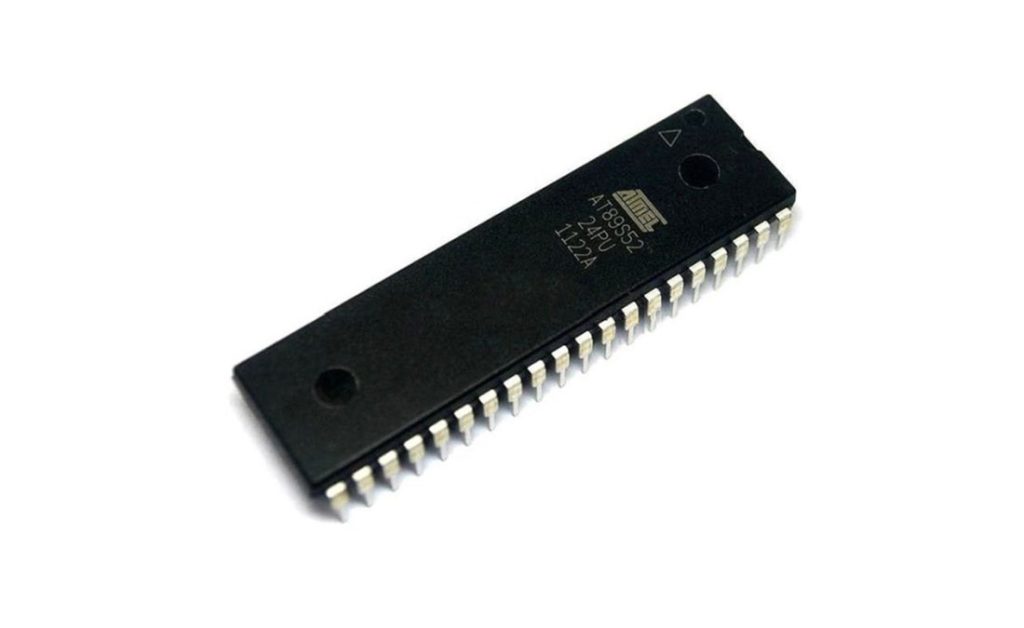
Lets describe a clock… “Clock is a device that counts and shows time(relative)”!!! Guess I said it right so lets make a CLOCK with ALARM feature. NOTE: it will take 2-3 minutes in reading please read the whole project or else I will not be responsible for any part damage. Step 1: COMPONENTS REQUIRED 6 components needed : 1. Microcontroller (I have used

Digital Clock Using Microcontroller (AT89S52 Without RTC Circuit) Read More »

Step 1 Writing and Building AVR Microcontroller Application in C Code Using the Integrated Development Platform Atmel Studio 7

AVR Microcontroller. Toggle LED’s Using a Push Button Switch. Push Button Debouncing.

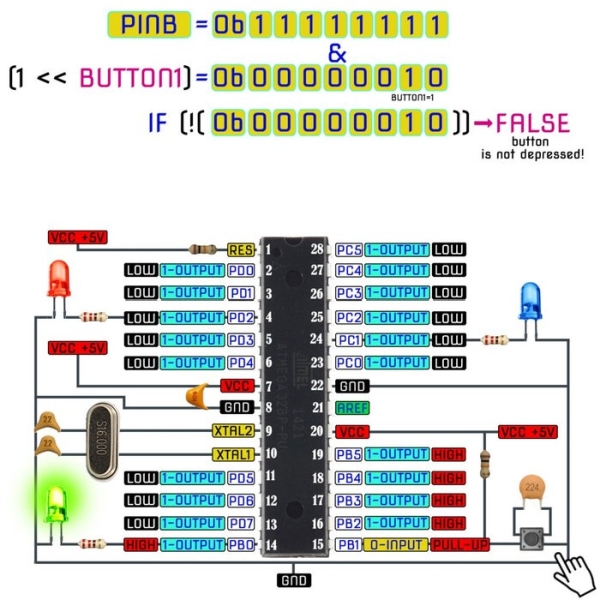
In this section, we will learn How to make program C code for ATMega328PU to toggle the status of the three LED’s according to the input from a button switch. Also, we have explored a solutions to the problem of is ‘Switch Bounce‘. As usually, we will assemble the electrical circuit on base of the

AVR Microcontroller. Toggle LED’s Using a Push Button Switch. Push Button Debouncing. Read More »

MICRON’S 11TB NVME SSDS NOW AT MOUSER

MICRON’S 11TB NVME SSDS NOW AT MOUSER

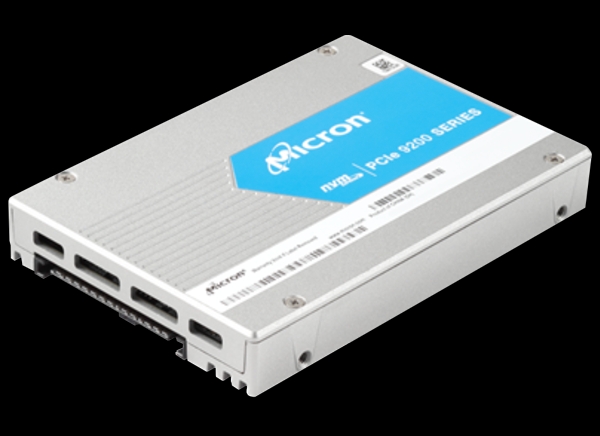
Micron 9200 NVMe™ Solid State Drives (SSDs) comes under Micron’s flagship performance product line and the second generation of NVMe drives. These SSDs utilize Gen3 PCIe interface, innovative non-volatile memory express protocol, and Micron’s high-speed NAND to provide high-throughput and IOPS, low-latency, and consistent quality of service. The 9200 SSDs are available in high-capacities up

MICRON’S 11TB NVME SSDS NOW AT MOUSER Read More »

TEENY TINY BLUETOOTH TRANSMITTER RUNS ON LESS THAN 1 MW

TEENY-TINY BLUETOOTH TRANSMITTER RUNS ON LESS THAN 1 MW

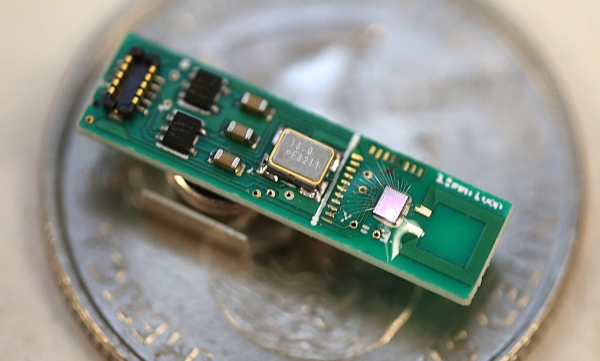
You’re probably swimming in Bluetooth radio signals right now. But none of those are coming from the smallest, lowest-power end of the Internet of Things. These battery-powered and energy-harvesting millimeter-scale sensors are meant to last for years without needing replacement, but their radios can’t muster the energy needed to communicate using even the lowest energy

TEENY-TINY BLUETOOTH TRANSMITTER RUNS ON LESS THAN 1 MW Read More »

HIGHLY INTEGRATED USB C BUCK CHARGER FROM MAXIM REDUCES SIZE BY 30 PERCENT

HIGHLY INTEGRATED USB-C BUCK CHARGER FROM MAXIM REDUCES SIZE BY 30 PERCENT

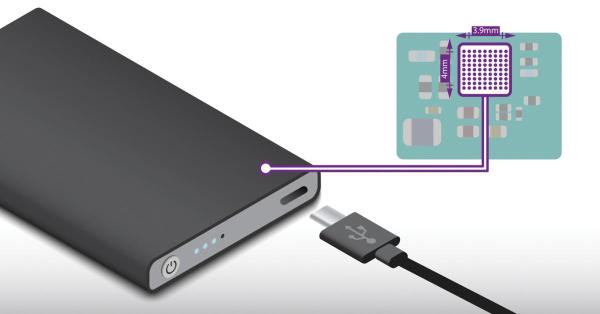
Designers of portable Li-ion battery-powered electronics now have a simplified and more flexible way to add a USB Type-C (USB-C) charging system to their products with the MAX77860 3A switch-mode charger from Maxim Integrated Products, Inc. (NASDAQ: MXIM). This USB-C buck charger provides the industry’s first integrated USB-C port controller and charger to eliminate the

HIGHLY INTEGRATED USB-C BUCK CHARGER FROM MAXIM REDUCES SIZE BY 30 PERCENT Read More »

ULTRA LOW QUIESCENT LDO EXTENDS BATTERY LIFE FOR SENSORS AND PORTABLE DESIGNS

ULTRA-LOW QUIESCENT LDO EXTENDS BATTERY LIFE FOR SENSORS AND PORTABLE DESIGNS

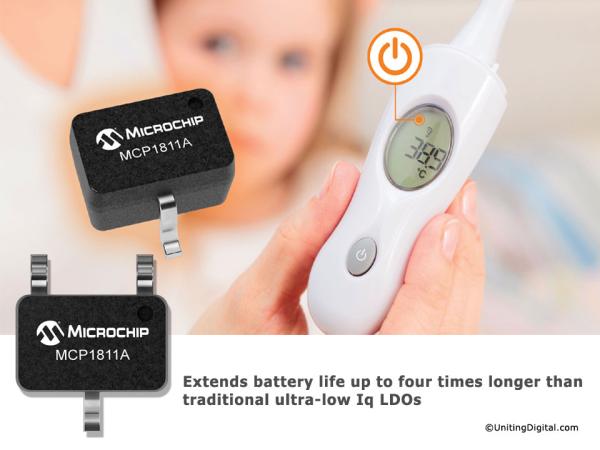
With ultra-low quiescent current of 250 nA, the MCP1811 enables battery life which is four-times longer than conventional ultra-low Iq LDO regulators. Compact packages down to 1 x 1 mm also help the MCP1811 to minimise board space. The MCP1811/12 devices are 150 mA (MCP1811) and 300 mA (MCP1812) low dropout (LDO) linear regulators that provide high-current and low-output

ULTRA-LOW QUIESCENT LDO EXTENDS BATTERY LIFE FOR SENSORS AND PORTABLE DESIGNS Read More »

Linear applies switched capacitor step down topology for inductor less

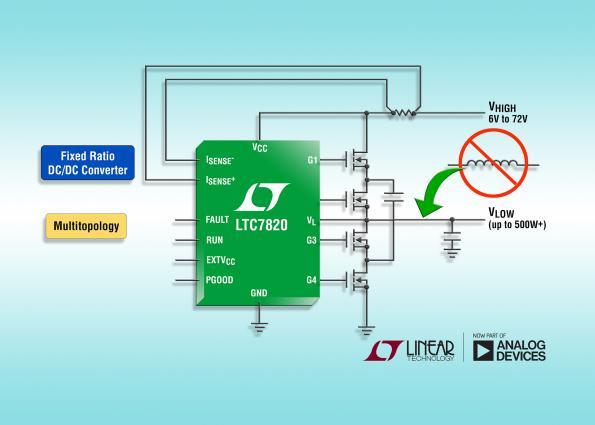
Linear applies switched-capacitor step-down topology for inductor-less DC/DC

LTC7820 is, a high power fixed ratio charge pump DC/DC controller that eliminates the power inductor in a non-isolated intermediate bus converter, allowing up to a 50% reduction in circuit size and up to 4000 W/in³ power density. The 72V fixed-ratio DC/DC controller can deliver 500W. Non-isolated regulators and voltage level converters that employ energy

Linear applies switched-capacitor step-down topology for inductor-less DC/DC Read More »

Scroll to Top