programming

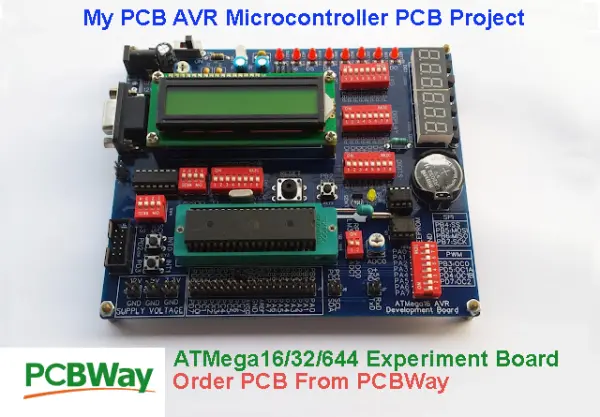
ATMega16 ATMega32 Experiment Board PCB from PCBWay

Mastering Atmega32: Exploring EEPROM Programming

The Atmega32 microcontroller consists of two primary memory spaces: the Data Memory and the Program Memory, along with an additional EEPROM Memory designated for data storage. This EEPROM Memory is non-volatile, contributing to the controller’s three distinct memory spaces, all of which exhibit linear and regular properties. The EEPROM memory space stores a maximum of […]

Mastering Atmega32: Exploring EEPROM Programming Read More »
Problem Solving

Master Microcontrollers with C Programming and the ATmega16

Embedded Microcontroller Software: Embedded software presents a distinct challenge due to the critical need for reliability in continuously operating microcontroller systems. To ensure faultless long-term performance, best practices include thorough coding, documentation, and testing. While not specifically designed for microcontrollers, the C programming language remains a popular choice due to its structured approach that compiles

Master Microcontrollers with C Programming and the ATmega16 Read More »

AVR USB Devices and Programming

During this week’s lecture, we delved into a relatively less-explored subject: USB, a widely-used protocol enabling computers to interact with peripheral devices equipped with microcontrollers. Developing a USB device empowers any computer to establish communication without the need for the specialized software and hardware that have been our focus thus far. For the next two

AVR USB Devices and Programming Read More »

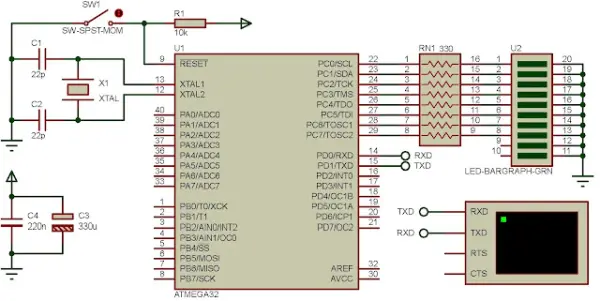
schematic diagram

ATMega32 AVR USART C programming examples

In the previous article, I discussed the USART module of the ATMega32 device, providing some practical examples. In this article, I will present additional USART examples that involve AVR C programming techniques. These techniques include creating conditions based on received characters and utilizing the ANSI C string functions library. In this straightforward illustration, the user

ATMega32 AVR USART C programming examples Read More »

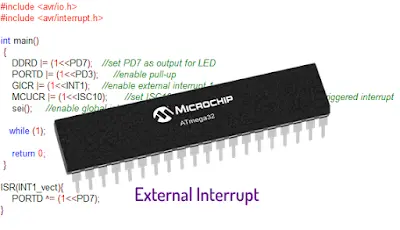
Programming ATmega32 External Interrupt

Programming ATmega32 External Interrupt

Numerous applications necessitate an external event to prompt an interrupt in the microcontroller, enabling it to respond accordingly. For instance, an interrupt might be initiated upon the detection of a fire by sensors like a temperature or gas sensor, or when a specific count threshold is achieved. Many microcontrollers, such as the ATmega32, are furnished

Programming ATmega32 External Interrupt Read More »

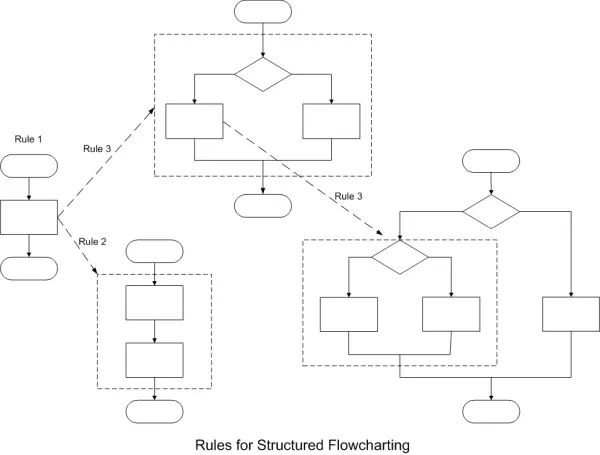
Flowchart Rules

Programming in the C language for the ATmega16 microcontroller

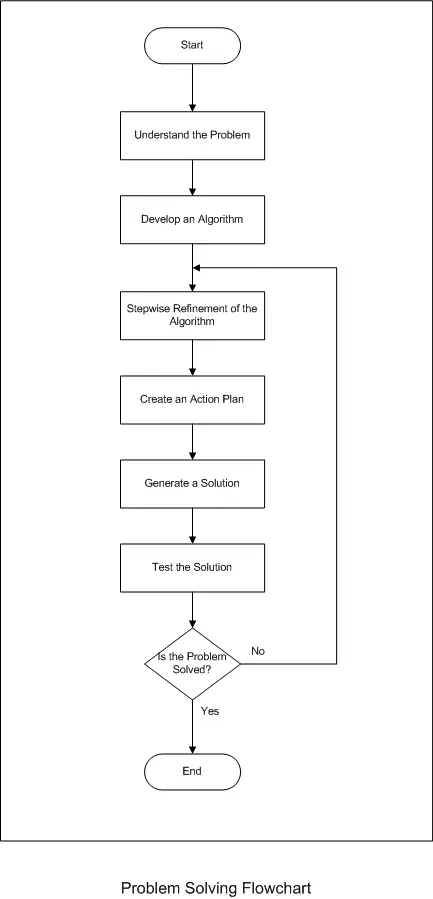
Introduction “Programming is merely one facet of a more extensive puzzle. To effectively address a problem, programmers must thoroughly understand and navigate the entire problem-solving process before diving into software development. This platform will outline the essential steps for problem analysis and solution implementation.” Following an introduction to the fundamental problem-solving process, this platform will

Programming in the C language for the ATmega16 microcontroller Read More »

API FAQS for businesses

API FAQS for businesses

As businesses continue to go digital and embrace emerging technologies such as APIs (Application Programming Interfaces), many entrepreneurs don’t know where to start — and that’s okay! This article is here to help. This blog post will answer the most common questions regarding APIs – what they are, how businesses can use them, and why

API FAQS for businesses Read More »

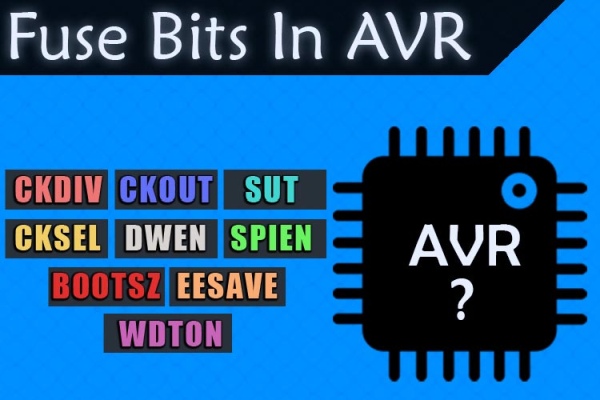
Understanding Fuse Bits in ATmega328P to Enhance Arduino Programming Efficiency

Understanding Fuse Bits in ATmega328P to Enhance Arduino Programming Efficiency

In this tutorial, we are going to talk about fuses. Back when I was in college and learning about all the cool things in electronics, I heard the term fuse in AVR for the first time, my initial thought on the topic was, oh! there is something inside the AVR that will blow if I did

Understanding Fuse Bits in ATmega328P to Enhance Arduino Programming Efficiency Read More »

Programming P89V51RD2 8051 Microcontroller on Breadboard

Programming P89V51RD2 (8051 Microcontroller) on Breadboard

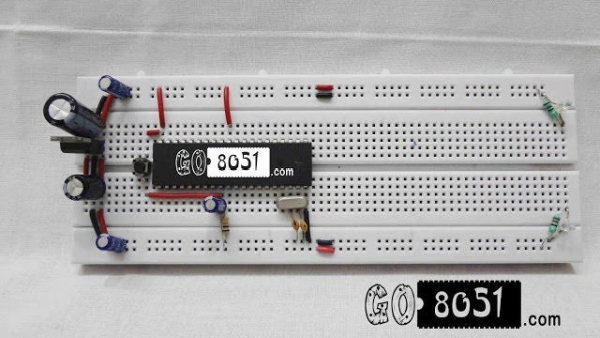
In this instructable, I am going to give step wise procedure of programming a P89V51RD2 microcontroller on breadboard. If you are directly seeing this tutorial, then please see my previous tutorial on basic breadboard power stage here : https://www.instructables.com/id/Breadboard-5V-Pow… In this tutorial we are going to mount the microcontroller on the breadboard and attach a single

Programming P89V51RD2 (8051 Microcontroller) on Breadboard Read More »

Scroll to Top