How To – DIY – Projects

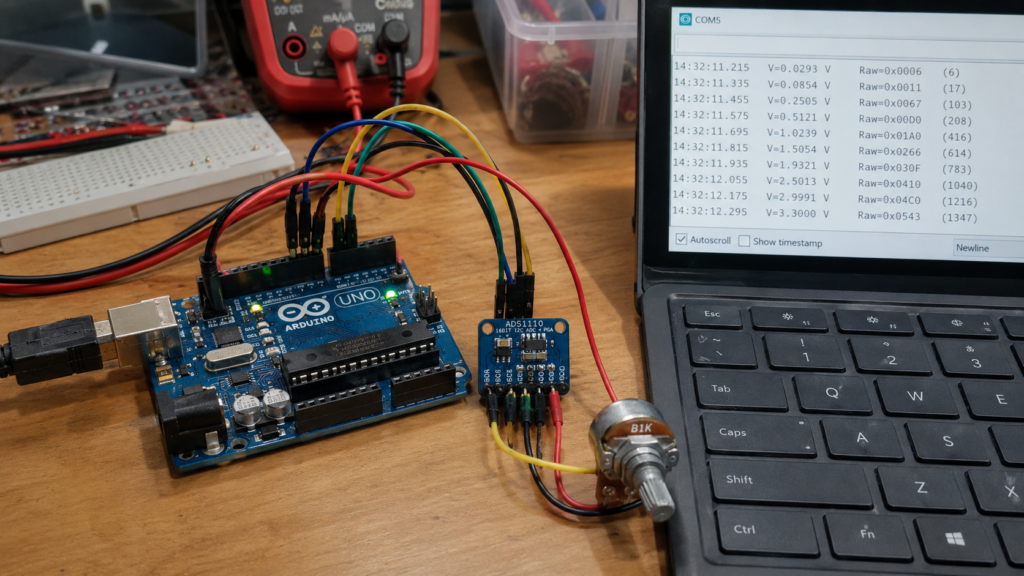
ATmega16 PWM DC motor controller test bench setup

AVR Based DC Motor Controller using ATmega16 with Proteus Simulation

Introduction This project demonstrates an AVR based DC Motor Controller using the ATmega16 microcontroller in Proteus simulation. It is a simple but useful microcontroller project for learning how PWM can control the speed of a DC motor. The circuit uses the ATmega16 to generate a PWM signal and drive a motor through a transistor-based motor […]

AVR Based DC Motor Controller using ATmega16 with Proteus Simulation Read More »
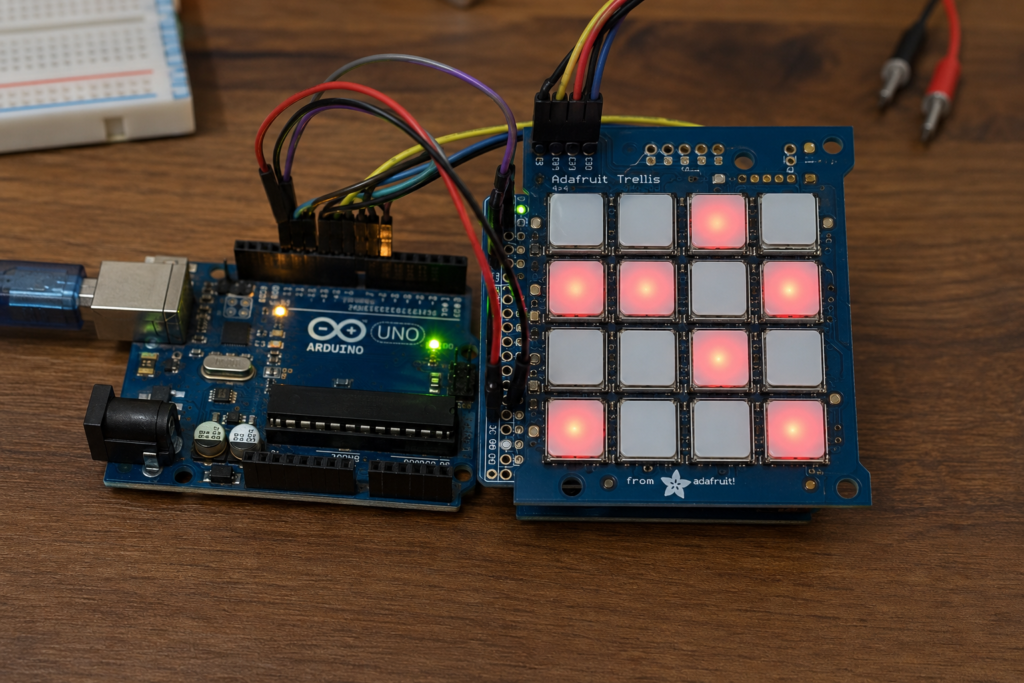
Arduino Uno powering Adafruit Trellis LED keypad

Adafruit Trellis Shield Latching Keyboard Test using ATmega328P with Proteus Simulation

Introduction This project demonstrates an Adafruit Trellis Shield latching keyboard test using the ATmega328P controller in a Proteus simulation environment. It is a simple but useful microcontroller project for learning how a keypad-style LED button matrix works with an Arduino-compatible AVR controller. The system reads button presses from the Trellis keypad and toggles the matching

Adafruit Trellis Shield Latching Keyboard Test using ATmega328P with Proteus Simulation Read More »

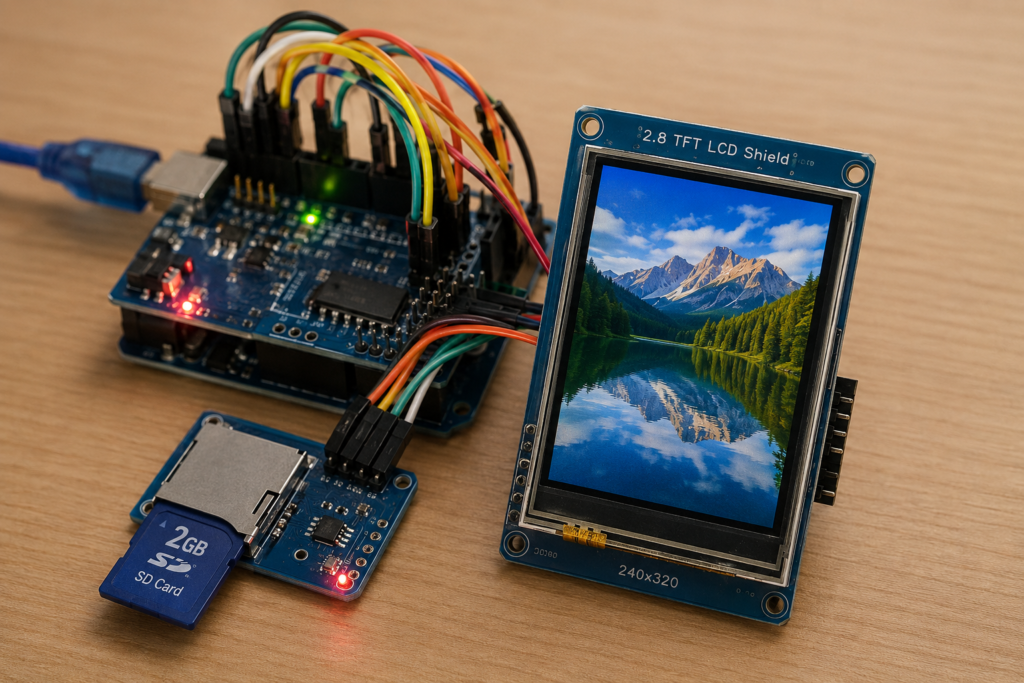
Arduino TFT LCD displays bitmap from SD card

Bitmap Drawing on TFT LCD using ATmega328P with Proteus Simulation

Introduction This microcontroller project demonstrates how to draw bitmap images on a TFT LCD using an ATmega328P-based Arduino AVR setup. The image file is stored on an SD card and loaded directly onto the display through the SPI interface. It is a useful Proteus simulation for learning how SD card storage, TFT LCD control, and

Bitmap Drawing on TFT LCD using ATmega328P with Proteus Simulation Read More »

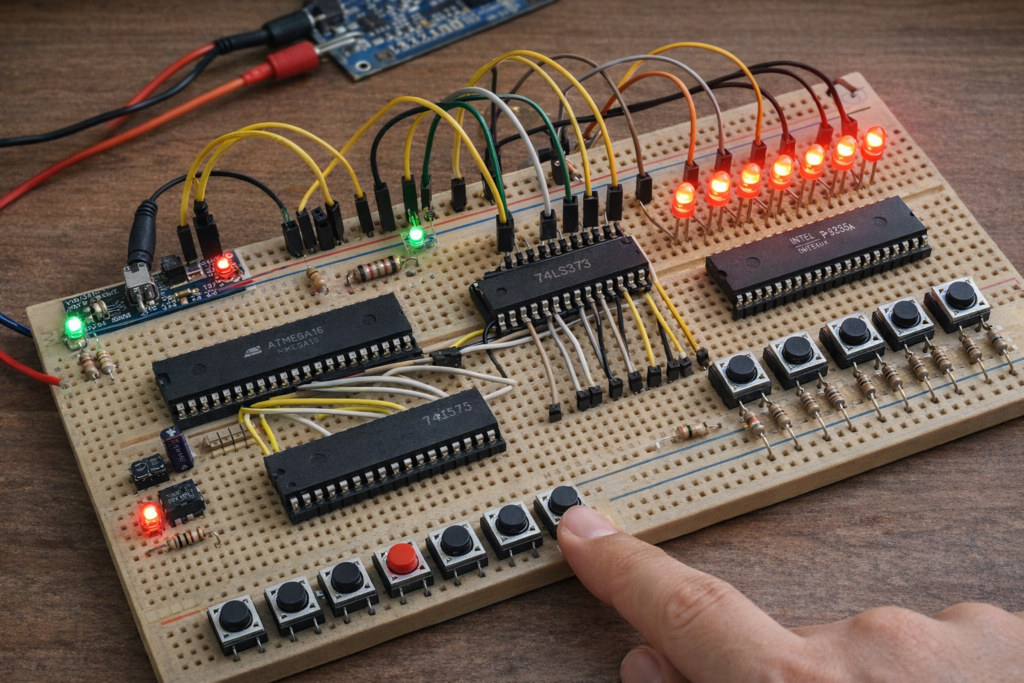
ATmega16 8255A LED control breadboard circuit

I/O Expander with 8255A using ATmega16 with Proteus Simulation

Introduction Expanding I/O pins is a common requirement in many microcontroller projects, especially when working with limited-pin devices like the ATmega16. This project demonstrates how to use the 8255A Programmable Peripheral Interface to control multiple LEDs using fewer pins. Using Proteus simulation, this design shows a practical approach to extending digital I/O capabilities in embedded

I/O Expander with 8255A using ATmega16 with Proteus Simulation Read More »
Upgrade DIY Mini DSO to a Real Oscilloscope With Awesome Features

Upgrade DIY Mini DSO to a Real Oscilloscope With Awesome Features

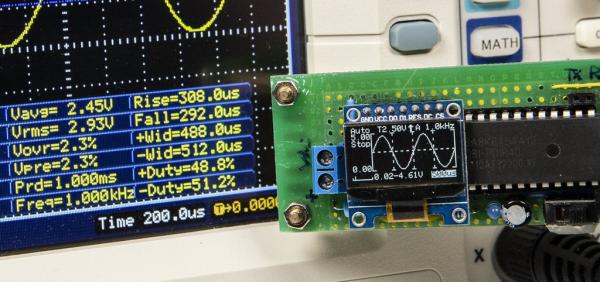
Last time I shared how to make a Mini DSO with MCU. To know how to built it step by step, please refer to my previous instructable: https://www.instructables.com/id/Make-Your-Own-Osc… Since many people are interested in this project, I spent some time upgrading it overall. After upgrading, the Mini DSO is more powerful. Specification: MCU: STC8A8K64S4A12 @27MHz Get

Upgrade DIY Mini DSO to a Real Oscilloscope With Awesome Features Read More »

BOXOI an Open Source Miniature 3D Zoetrope DIY Kit

BOXOI – an Open Source Miniature 3D Zoetrope DIY Kit

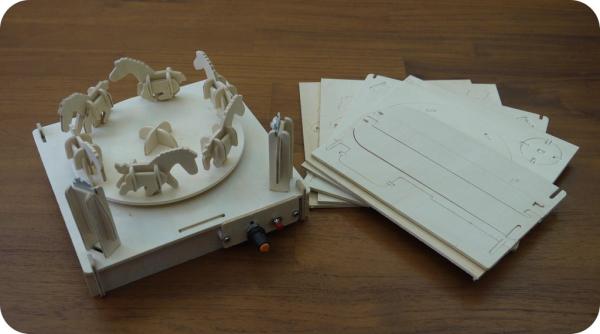
Project Background: In 2015, I started a kickstarter project of a miniature 3D zoetrope DIY kit. The next year, I started the version 2 of said project by further simplifying the kit and reducing its manufacturing cost. Sadly, both crowdfunding failed, but this is how the 3D zoetrope looks. *Zoetrope: a 19th-century optical toy consisting of

BOXOI – an Open Source Miniature 3D Zoetrope DIY Kit Read More »

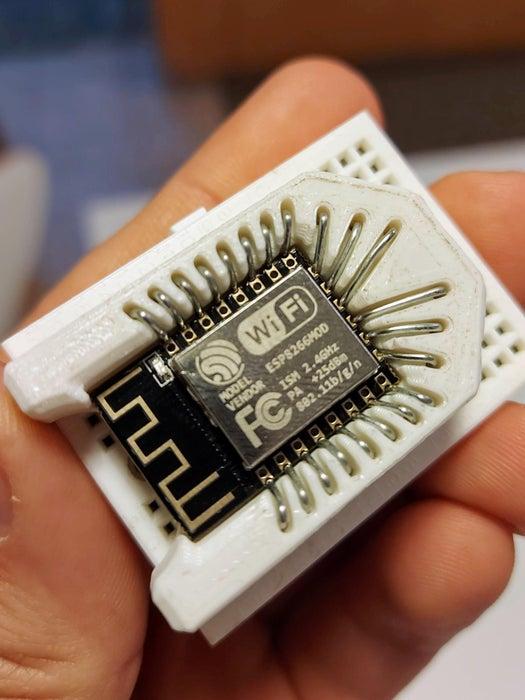
DIY ESP8266 ESP 12 Socket Snap Fit Breadboard Friendly No Soldering

DIY ESP8266 ESP-12 Socket – Snap Fit, Breadboard Friendly, No Soldering

I’ve been looking for an ESP8266 (ESP-12) socket for a long time, and the way I see it, It had to have all of these properties: 100% Breadboard Friendly No soldering required Snap Fit and snugly hold the ESP8266 DIY from everyday household items Easy to print Easy to build I found a few solution on Thingiverse.com,

DIY ESP8266 ESP-12 Socket – Snap Fit, Breadboard Friendly, No Soldering Read More »

Scroll to Top