
Summary of 10 Best AVR Development Boards For Engineers And Hobbyists 2019
This article reviews ten top AVR development boards for engineers and hobbyists, highlighting options ranging from basic minimum system modules to high-end systems with touchscreens. These boards streamline prototyping by eliminating tedious circuit debugging. Featured products include the ISP ATmega16/32 module, RioRand ATMEGA128 board, and Mikroelektronika's BIGAVR6 system, offering diverse connectivity like USB and support for various microcontroller series.
Parts used in the 10 Best AVR Development Boards:
- ISP ATmega16 ATmega32 Minimum System Module Board
- RioRand®ATMEGA128 mega128 AVR Development Board
- Development Boards & Kits – AVR ATMEGA32U4 PROTOTYPE T BOARD
- wonderfullshopDIY learning board kit Parts and components C51/AVR MCU development board
- AVR-Ready2 Board by Mikroelektronika
- BIGAVR6 Development System by Mikroelektronika
- External crystal (8M)
- AVRprog in-system stand-alone programmer
- Touch screen
- LCD
- Keypad
- USB 2.0
Atmel’s AVR series of controllers is one of the most popular with student and hobbyists. Any beginner in electronics or even professionals for that matter would appreciate an excellent development board. Development boards rid the user of the tedious tasks of prototyping and debugging necessary circuitry to run an IC. So check out the 10 best AVR development boards and let us know your favourite AVR development board.
ISP ATmega16 ATmega32 Minimum System Module Board AVR (4$)
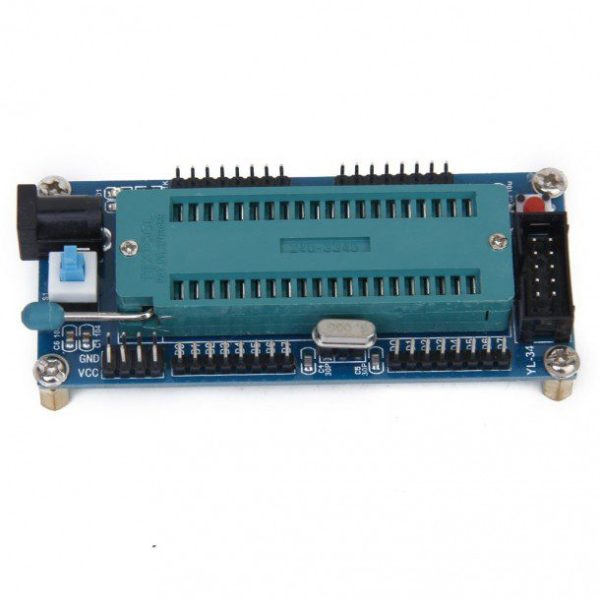
This a very basic board for your AVR ATmega32 and ATmega16 boards. The board just offers I/O connections to all ports along with a power input of the IC.
You can get one here
RioRand®ATMEGA128 mega128 AVR Development Board (27$)
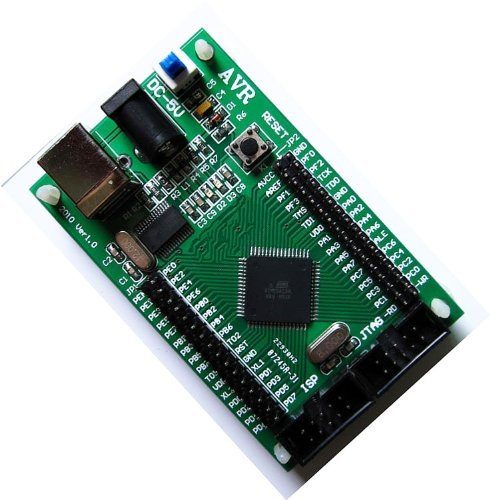
The design resembles the famous Arduino MEGA 2560 board, but we do not know whether it is open source or not. The default installation of an external crystal is 8M and the Atmel IC used is ATmega128.
You can get one here
Development Boards & Kits – AVR ATMEGA32U4 PROTOTYPE T BOARD(29$)
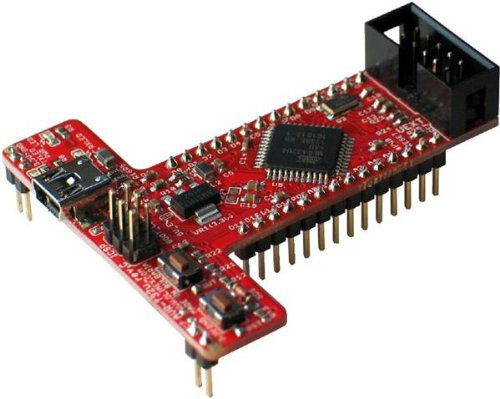
This small development board for ATMEGA32 with Quadruple Inline Package of the IC. This ideal for applications where space is limited. The board does not include LCD’s, SSD’S or any other accessories.
You can get one here
wonderfullshopDIY learning board kit Parts and components C51/AVR MCU development board(14$)
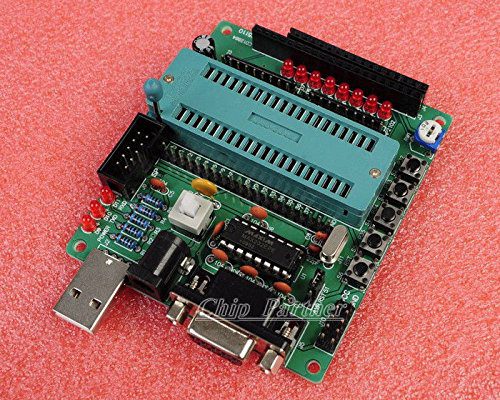
This board has all the connections for I/O ports but an added feature is the board’s ability to connect through USB. Support for 51 series microcontroller STC89C52, STC12C5A60S2, AT89C51, AT89C52, AT89S51, AT89S52, ATMega 16 and ATMega32.
You can get one here
AVR-Ready2 Board by Mikroelektronika(30$)
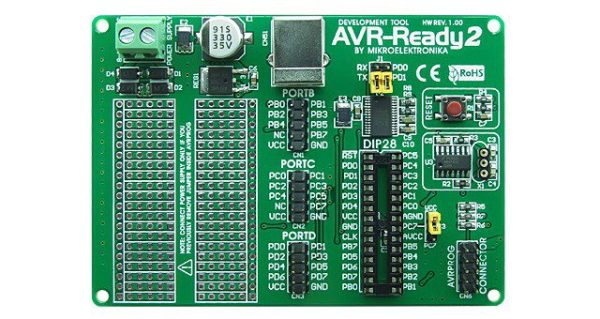
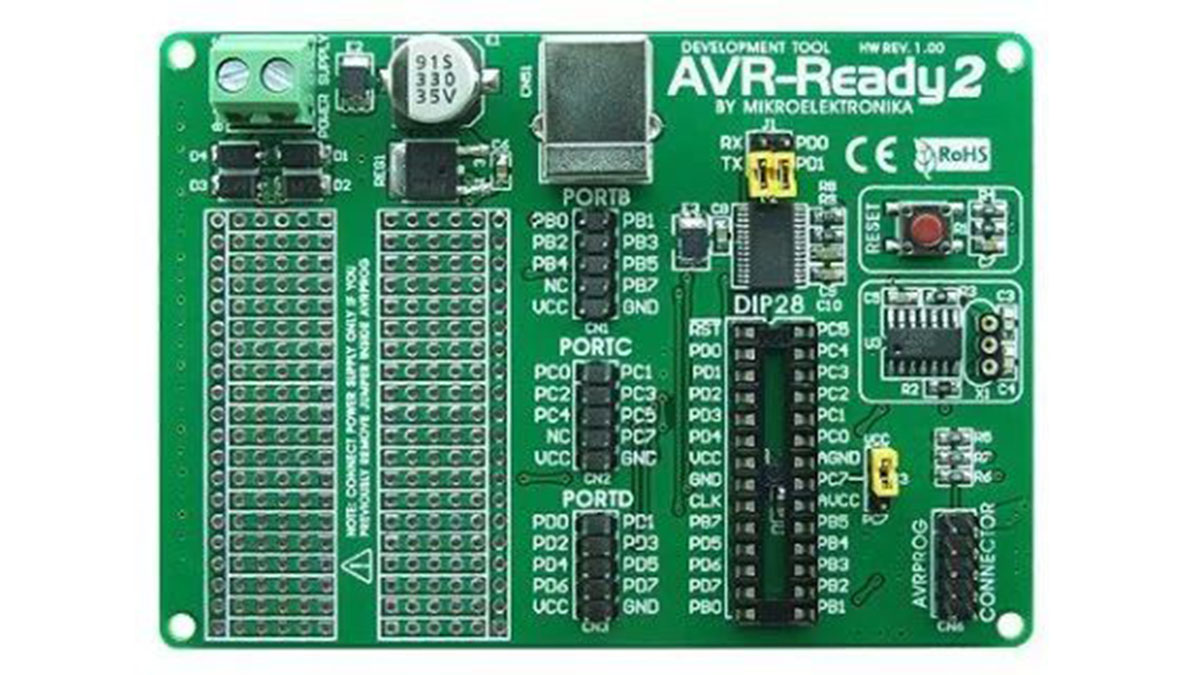
AVR-Ready2 Board is the best solution for fast and simple development of 28-pin AVR microcontroller applications. It includes connectors for connecting the AVRprog in-system stand-alone programmer. This programmer enables you to program MCUs without any other additional device.
You can get one here
BIGAVR6 Development System by Mikroelektronika (140$)
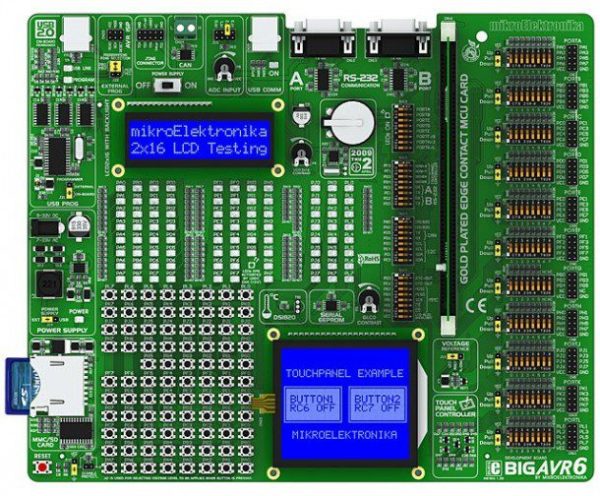
This is a high-end board suitable for many quadruple Inline Packages from AVR. Touch screen, LCD, keypad and USB 2.0 along with a host of other accessories make it very high-end board.
You can get one here
Source: 10 Best AVR Development Boards For Engineers And Hobbyists 2019
- What is the primary benefit of using a development board?
Development boards rid the user of the tedious tasks of prototyping and debugging necessary circuitry to run an IC. - Which board is suitable for applications where space is limited?
The small development board for ATMEGA32 with Quadruple Inline Package of the IC is ideal for applications where space is limited. - Can the wonderfullshopDIY learning board connect via USB?
Yes, this board has an added feature of connecting through USB. - Does the AVR-Ready2 Board require additional devices for programming?
No, its included AVRprog programmer enables you to program MCUs without any other additional device. - What makes the BIGAVR6 Development System a high-end board?
It includes a touch screen, LCD, keypad, USB 2.0, and a host of other accessories. - Which microcontrollers does the RioRand board use as default?
The design uses the Atmel IC ATmega128 with a default installation of an external crystal at 8M. - Is the RioRand board open source?
The article states that we do not know whether it is open source or not. - What is the price of the ISP ATmega16 ATmega32 Minimum System Module Board?
The price listed for this board is 4 dollars.
