Proteus Simulation

ATmega16 PWM DC motor controller test bench setup

AVR Based DC Motor Controller using ATmega16 with Proteus Simulation

Introduction This project demonstrates an AVR based DC Motor Controller using the ATmega16 microcontroller in Proteus simulation. It is a simple but useful microcontroller project for learning how PWM can control the speed of a DC motor. The circuit uses the ATmega16 to generate a PWM signal and drive a motor through a transistor-based motor […]

AVR Based DC Motor Controller using ATmega16 with Proteus Simulation Read More »
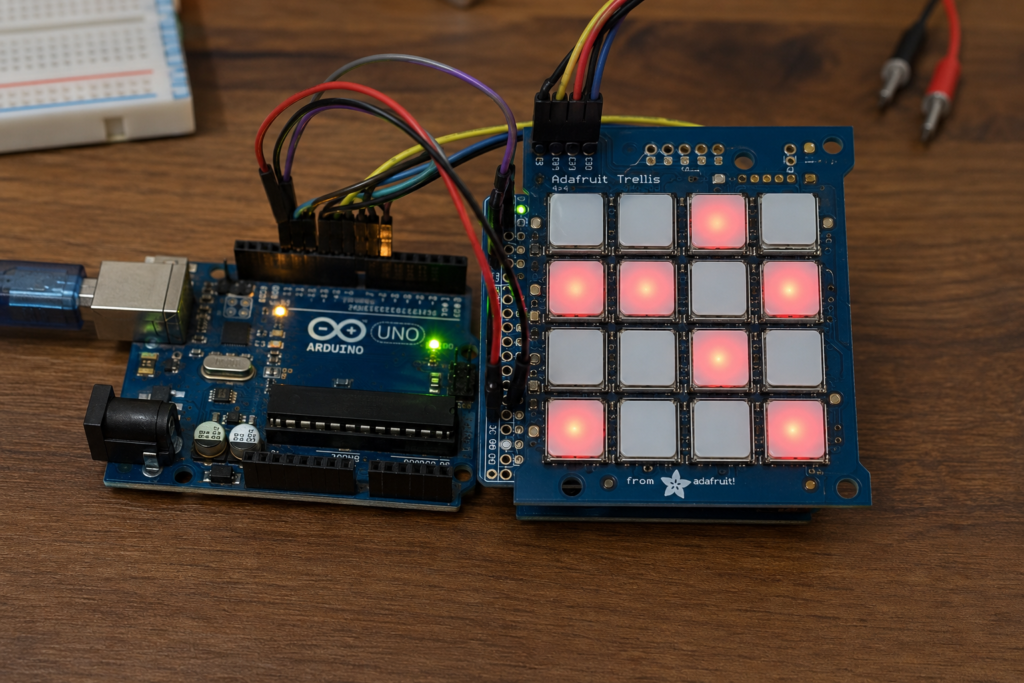
Arduino Uno powering Adafruit Trellis LED keypad

Adafruit Trellis Shield Latching Keyboard Test using ATmega328P with Proteus Simulation

Introduction This project demonstrates an Adafruit Trellis Shield latching keyboard test using the ATmega328P controller in a Proteus simulation environment. It is a simple but useful microcontroller project for learning how a keypad-style LED button matrix works with an Arduino-compatible AVR controller. The system reads button presses from the Trellis keypad and toggles the matching

Adafruit Trellis Shield Latching Keyboard Test using ATmega328P with Proteus Simulation Read More »

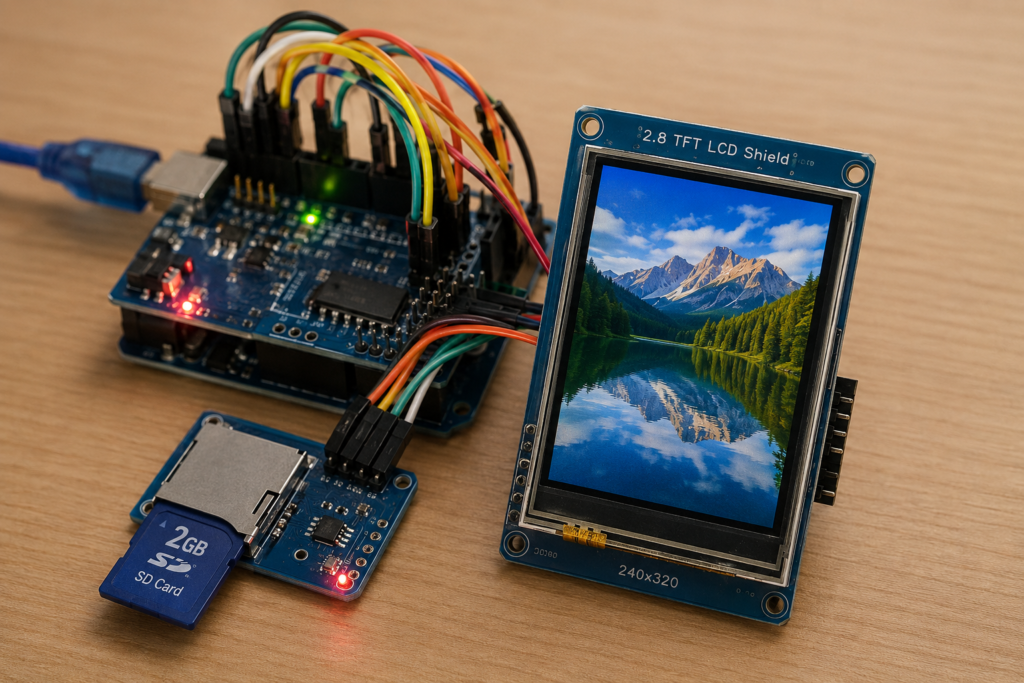
Arduino TFT LCD displays bitmap from SD card

Bitmap Drawing on TFT LCD using ATmega328P with Proteus Simulation

Introduction This microcontroller project demonstrates how to draw bitmap images on a TFT LCD using an ATmega328P-based Arduino AVR setup. The image file is stored on an SD card and loaded directly onto the display through the SPI interface. It is a useful Proteus simulation for learning how SD card storage, TFT LCD control, and

Bitmap Drawing on TFT LCD using ATmega328P with Proteus Simulation Read More »

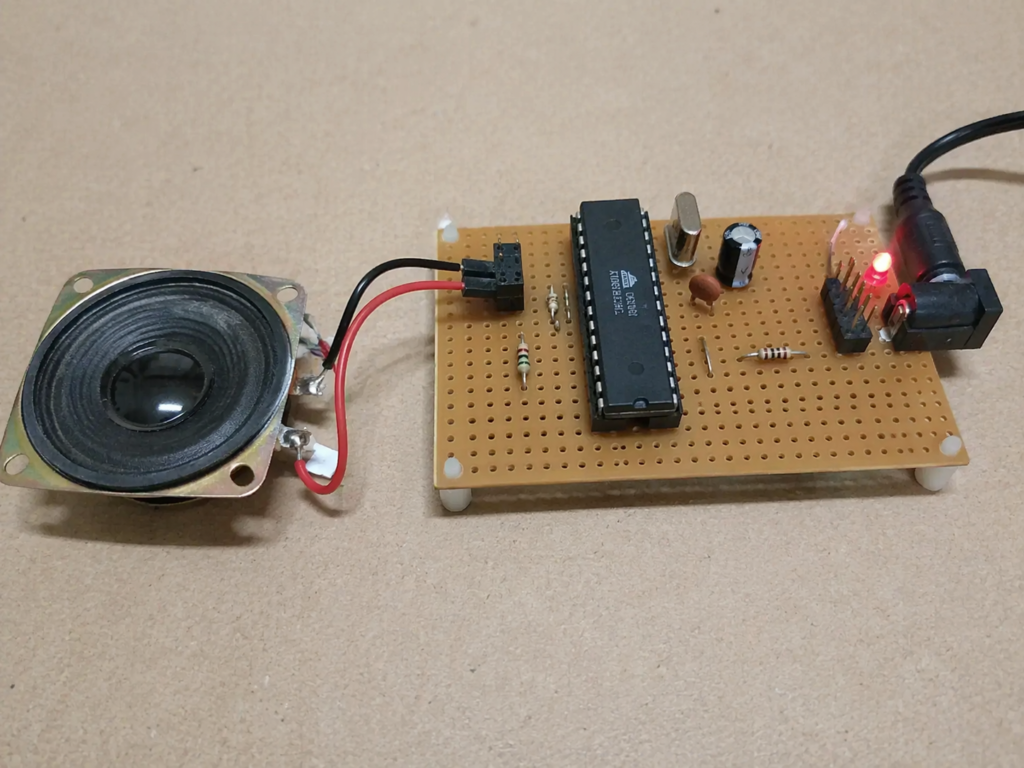
ATmega8 melody player prototype with speaker and perfboard.

Digital Melody Player using ATmega8 with Proteus Simulation

Introduction This microcontroller project is a compact digital melody player built around the ATmega8 and simulated in Proteus. It generates musical tones through a speaker by using the AVR’s sound output timing and a sequence of predefined note values. In simple terms, the circuit acts like a tiny embedded music box that plays recognizable melodies

Digital Melody Player using ATmega8 with Proteus Simulation Read More »

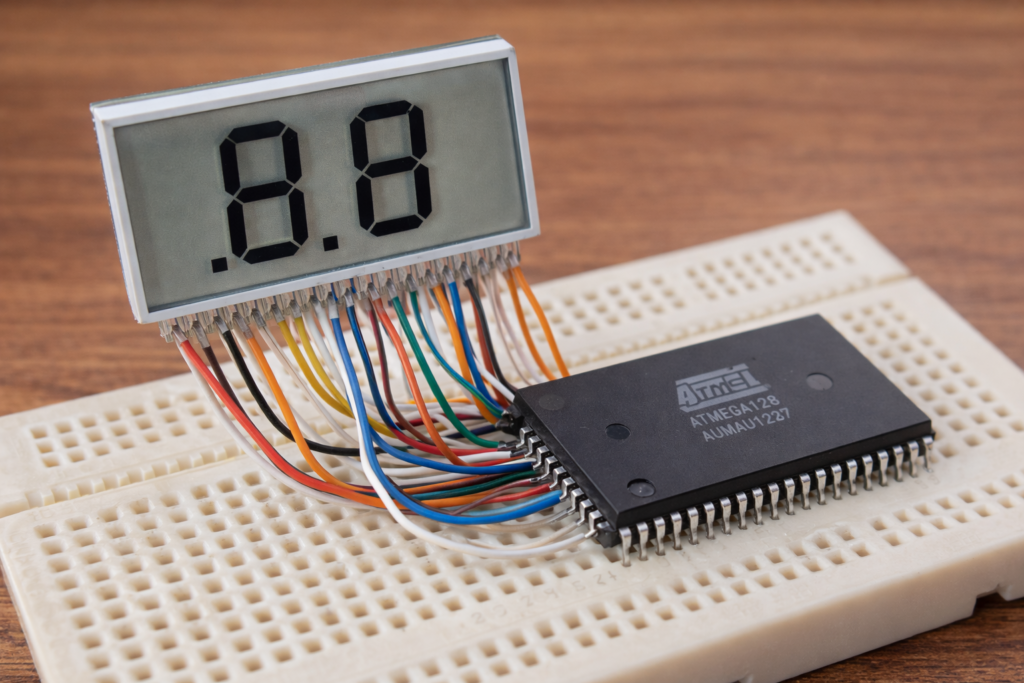
ATmega128 connected to LCD on breadboard

ATmega128 LCD Driver using ATmega128 with Proteus Simulation

Introduction This microcontroller project demonstrates how to directly drive a 2-digit 7-segment LCD using the powerful ATmega128 microcontroller without any dedicated LCD driver IC. Based on the well-known AVR241 application note, this project shows how general I/O pins can be used to control LCD segments efficiently. Using Proteus simulation, this setup helps visualize real-time LCD

ATmega128 LCD Driver using ATmega128 with Proteus Simulation Read More »

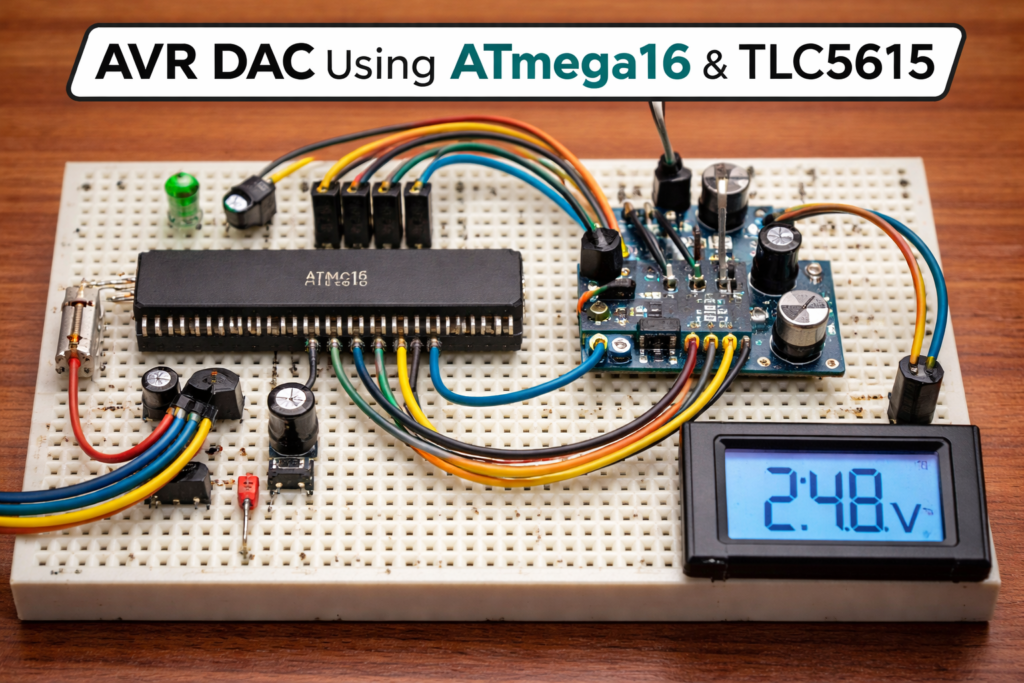
ATmega16 TLC5615 DAC breadboard SPI analog output

AVR DAC using TLC5615 with ATmega16 using Proteus Simulation

Introduction This project demonstrates an AVR DAC using TLC5615 ATmega16, where a microcontroller generates analog output using SPI communication. It is a simple and practical example of a microcontroller project implemented in Proteus simulation. The system converts digital values into analog voltage, making it useful for learning embedded systems and practical electronics. Such designs are

AVR DAC using TLC5615 with ATmega16 using Proteus Simulation Read More »

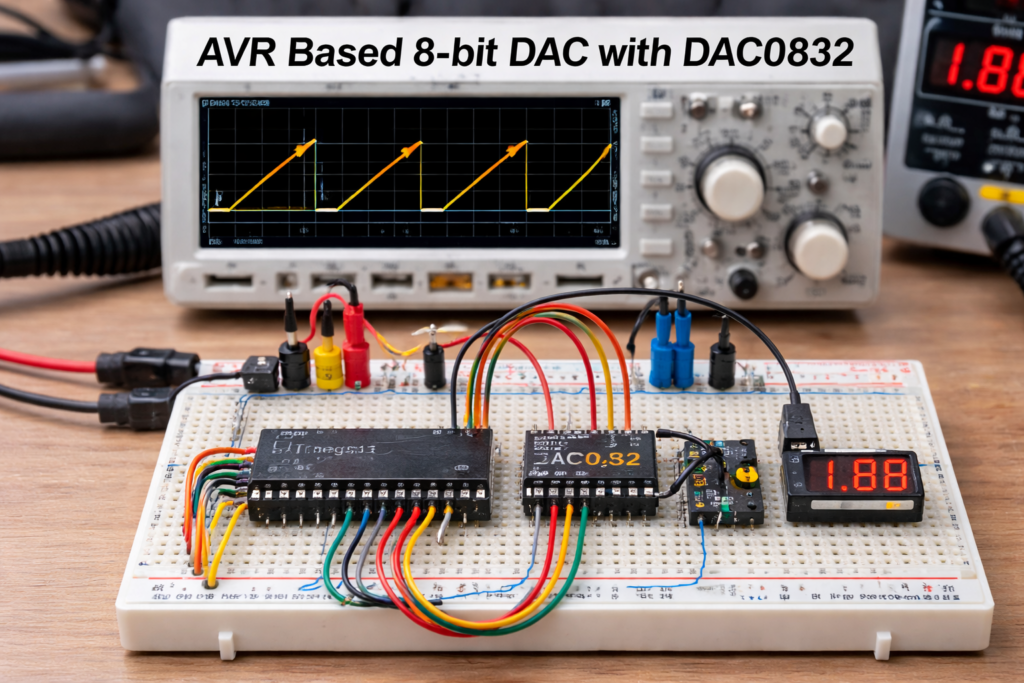
AVR DAC0832 breadboard generating analog waveform output

AVR Based 8-bit DAC using ATmega16 with Proteus Simulation

Introduction The AVR based 8-bit DAC project demonstrates how a digital signal generated by a microcontroller can be converted into an analog waveform using the DAC0832 IC. This is a classic microcontroller project widely used in embedded systems and DIY electronics learning. Using an ATmega16 and Proteus simulation, the project outputs a continuously changing analog

AVR Based 8-bit DAC using ATmega16 with Proteus Simulation Read More »
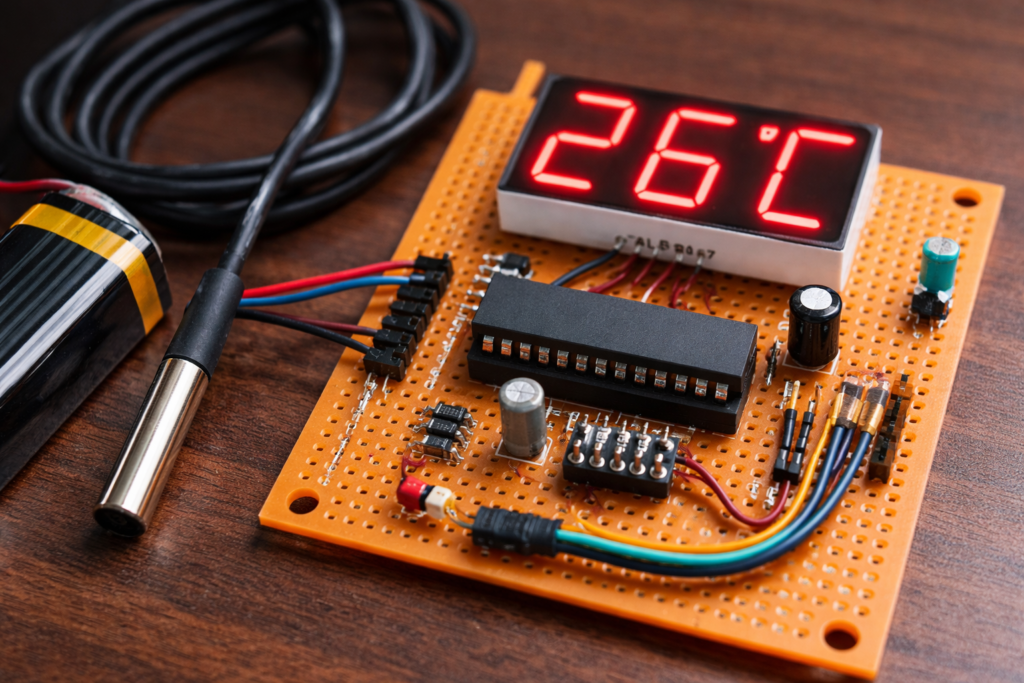
ATmega16 DS18B20 temperature display prototype setup

Temperature Meter using ATmega16 with Proteus Simulation

Introduction This microcontroller project demonstrates a digital temperature measurement system using the DS18B20 sensor and an ATmega16 microcontroller. The system reads temperature data and displays it on a dual 7-segment display in real time. Built and tested in a Proteus simulation environment, this project is a great example of embedded systems and practical electronics. It

Temperature Meter using ATmega16 with Proteus Simulation Read More »
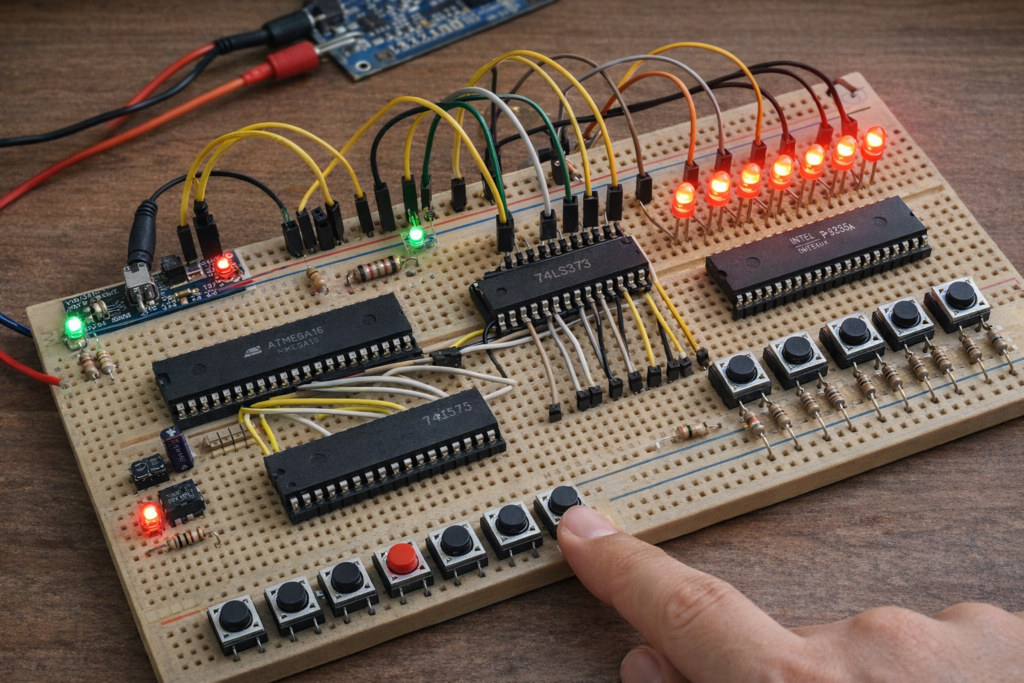
ATmega16 8255A LED control breadboard circuit

I/O Expander with 8255A using ATmega16 with Proteus Simulation

Introduction Expanding I/O pins is a common requirement in many microcontroller projects, especially when working with limited-pin devices like the ATmega16. This project demonstrates how to use the 8255A Programmable Peripheral Interface to control multiple LEDs using fewer pins. Using Proteus simulation, this design shows a practical approach to extending digital I/O capabilities in embedded

I/O Expander with 8255A using ATmega16 with Proteus Simulation Read More »
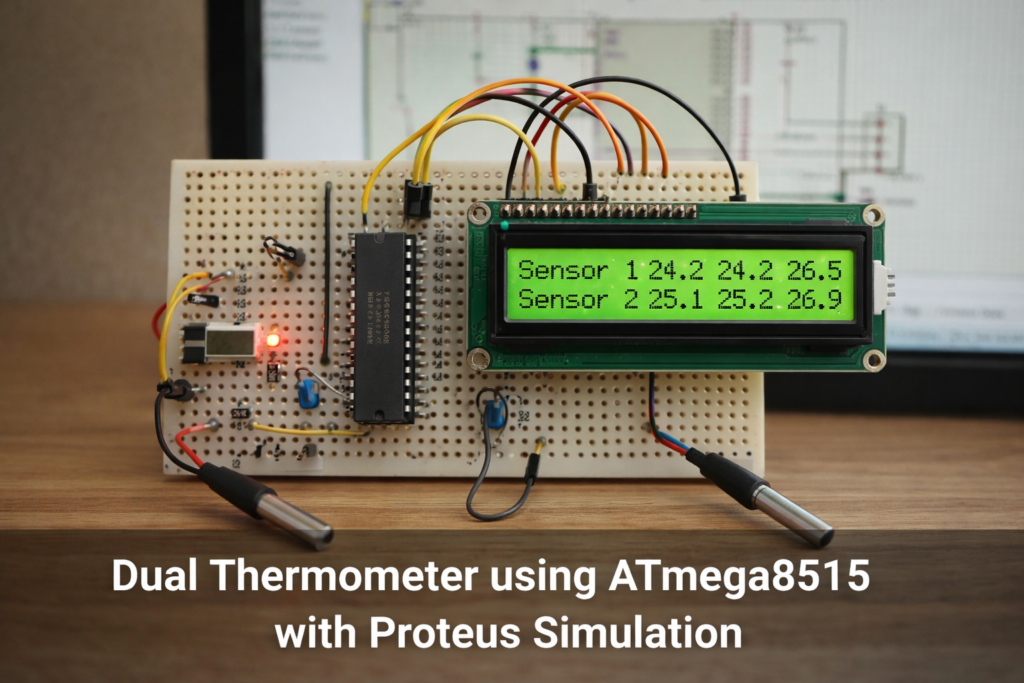
Dual thermometer prototype with LCD display

Dual Thermometer using ATmega8515 with Proteus Simulation

Introduction This microcontroller project shows how to build a dual digital thermometer using an ATmega8515 and two DS18B20 temperature sensors in Proteus simulation. The system reads temperature from both sensors, displays the live values on a 16×2 LCD, and also keeps track of minimum and maximum readings. It is a practical example of embedded systems

Dual Thermometer using ATmega8515 with Proteus Simulation Read More »
Scroll to Top