Motor Projects

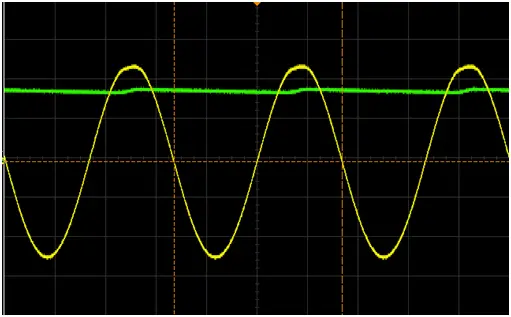
ATmega16 PWM DC motor controller test bench setup

AVR Based DC Motor Controller using ATmega16 with Proteus Simulation

Introduction This project demonstrates an AVR based DC Motor Controller using the ATmega16 microcontroller in Proteus simulation. It is a simple but useful microcontroller project for learning how PWM can control the speed of a DC motor. The circuit uses the ATmega16 to generate a PWM signal and drive a motor through a transistor-based motor […]

AVR Based DC Motor Controller using ATmega16 with Proteus Simulation Read More »
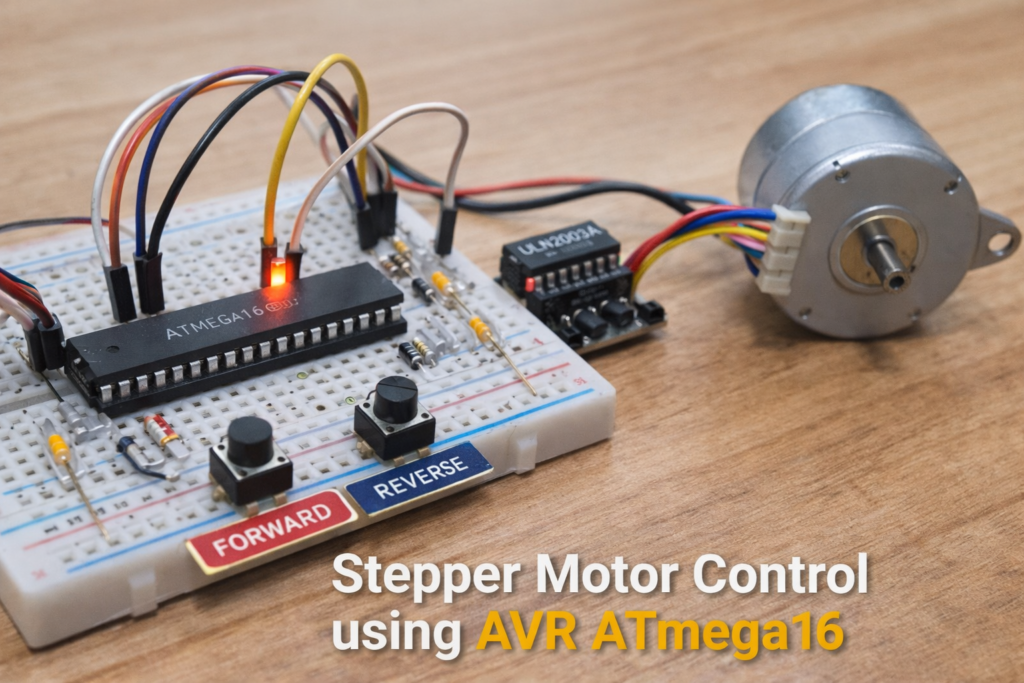
AVR ATmega16 Controlled Stepper Motor using Proteus Simulation

Introduction Stepper motors are widely used in embedded systems and automation projects where precise position control is required. This ATmega16 stepper motor control project demonstrates how an AVR ATmega16 controls a stepper motor using simple forward and reverse commands. The project is simulated using Proteus simulation software, allowing users to test the circuit and firmware

AVR ATmega16 Controlled Stepper Motor using Proteus Simulation Read More »
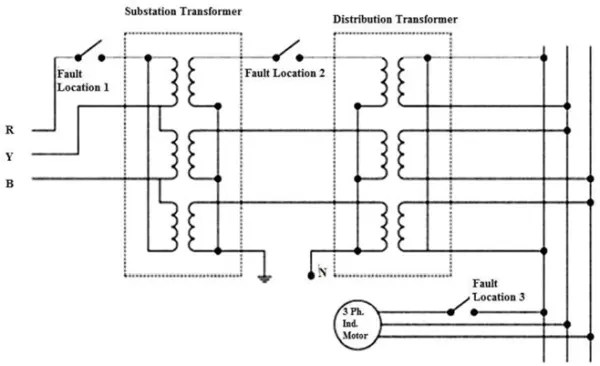
Different fault locations of single phasing

Advance Protection for Three Phase Induction Motor using Microcontroller Atmega32

I.      INTRODUCTION Ensuring the protection of induction motors is crucial for their prolonged operational life. While numerous researchers have delved into this domain, many existing protection schemes are deemed impractical and costly within the Indian context. In the event of a phase outage due to fuse failure or protective device activation, three-phase induction motors have

Advance Protection for Three Phase Induction Motor using Microcontroller Atmega32 Read More »

Master the Art of Servo Motor Control Using AVR ATmega16

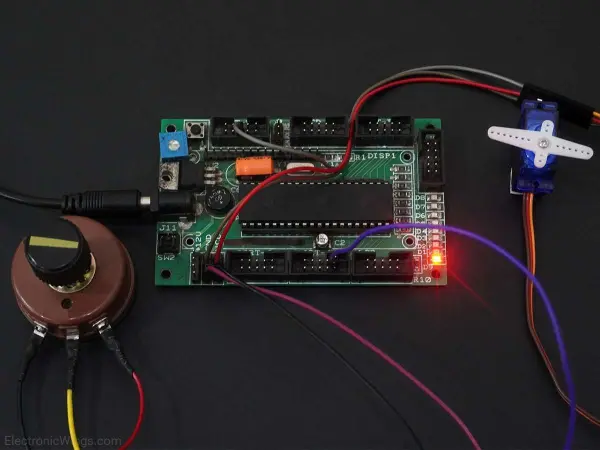
Master the Art of Servo Motor Control Using AVR ATmega16

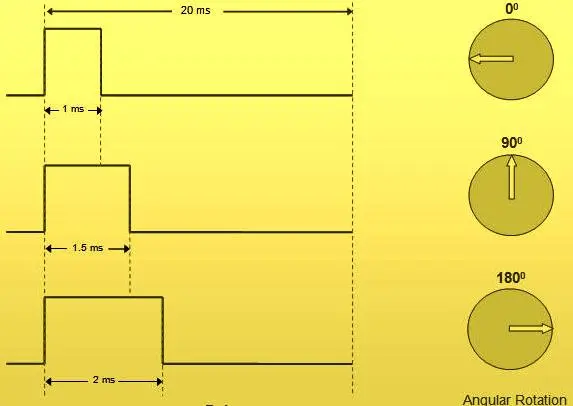
Overview of Servo Motor A servo motor is an electrically powered actuator that allows for precise control of angular rotation. It provides controlled movement important for applications like robotic arms that require precision. The rotation angle is dictated by a PWM (pulse-width modulation) signal sent to the motor. Varying the width of the PWM pulses

Master the Art of Servo Motor Control Using AVR ATmega16 Read More »

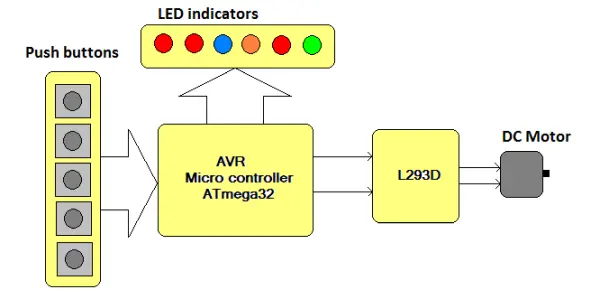
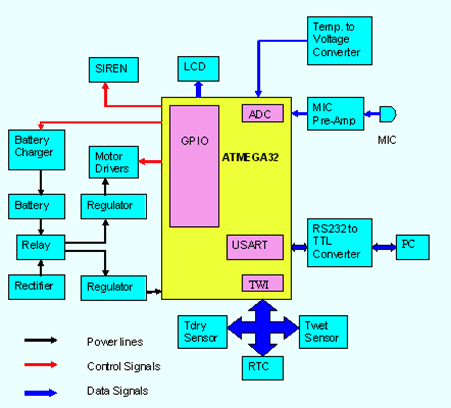
Block Diagram of AVR ATMega32 based DC Motor Controller

Speed and Direction Control of DC Motor using AVR Microcontroller

Controlling the direction and speed of a DC motor is a crucial requirement in various applications, including: 1. Robotics: Adjusting the movement direction and speed of a robot. 2. Industrial Machinery: Modifying the direction and speed of rotating equipment. 3. Home Appliances: Regulating the speed of a battery-operated portable fan. 4. Defense Systems: Rotating radar

Speed and Direction Control of DC Motor using AVR Microcontroller Read More »

Controlling Angular Position of Servo Motor using Pulse Width Modulation

Interfacing Servo Motor with Atmega32 Microcontroller

A Servo Motor is a type of DC Motor that incorporates error sensing negative feedback to precisely regulate the angular position of its shaft. Unlike standard DC Motors, servo motors do not rotate continuously but instead perform controlled angular rotations, such as 0-90° or 0-180°. While Stepper Motors can also achieve accurate angular rotations, Servo

Interfacing Servo Motor with Atmega32 Microcontroller Read More »

Scroll to Top